

A group of experts were invited to answer questions on furniture renovation, specifically painting. Check out their informative answers:
https://porch.com/advice/furniture-renovation-qa-painting-editionCategory: Uncategorized

#34 Antique Victorian Empire-Style sofa
Transformation expenses: $24.82 plus upholstering costs
This beautiful turn-of the twentieth century sofa was a family heirloom that got crowded out and was languishing in a basement. Thankfully its owners contacted me before sending it to the thrift store. And thankfully I found a family that saw its potential and was willing to pay for professional upholstering. I think the result is a spectacular, happy ending.

This sofa’s upholstery was outdated, torn, and still had hay and horsehair stuffing. It seriously needed an update! Apart from some previous repairs and some damage to the veneer, the frame (with its original casters) was in reasonable shape and really just needed cleaning and restoring. The first step was to take it to the upholsterer and get the old upholstery removed.
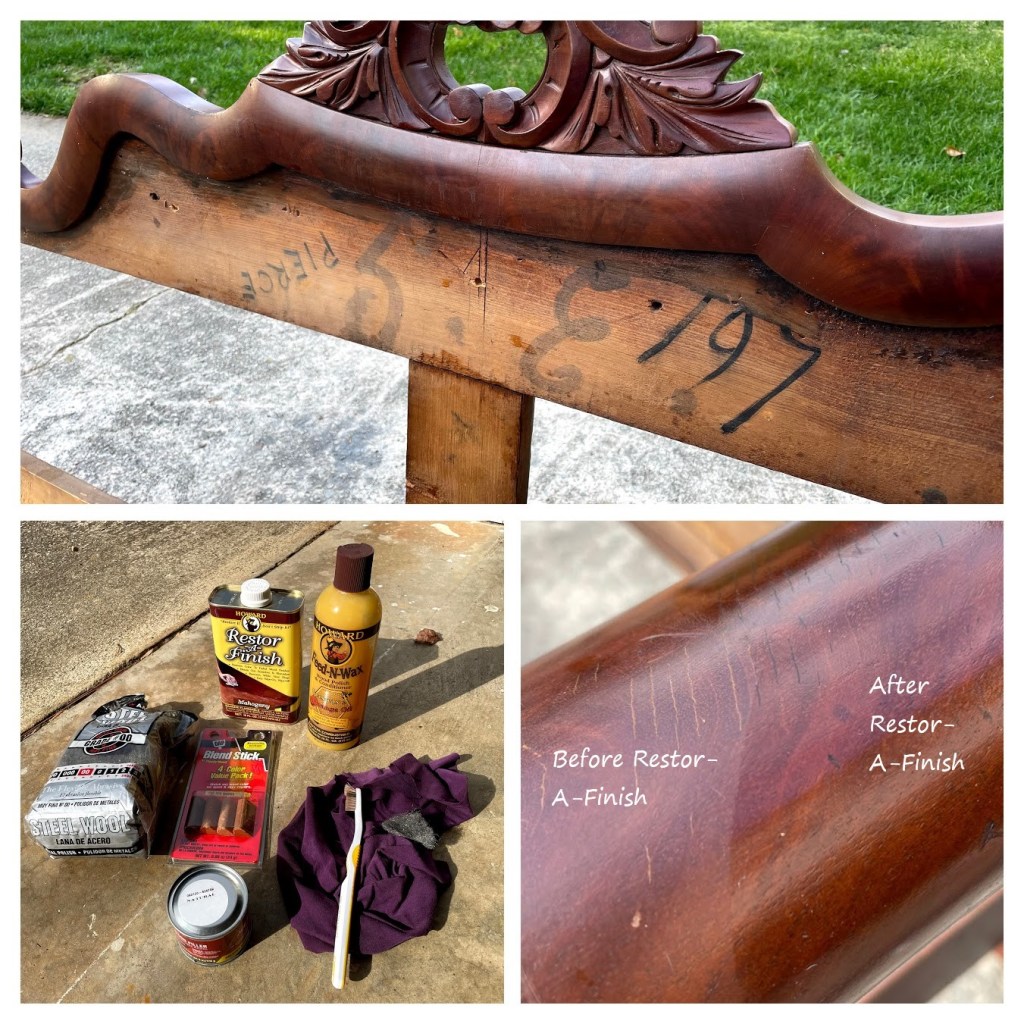
Once the frame was stripped bare I vacuumed and cleaned away the dust, dirt, and cobwebs. Then I pulled out my trusty refinishing tools: Howard’s Restor-A-Finish (mahogany), Howard’s Feed ‘n’ Wax, fine steel wool, clean rags, a toothbrush, and a wood finish repair kit.
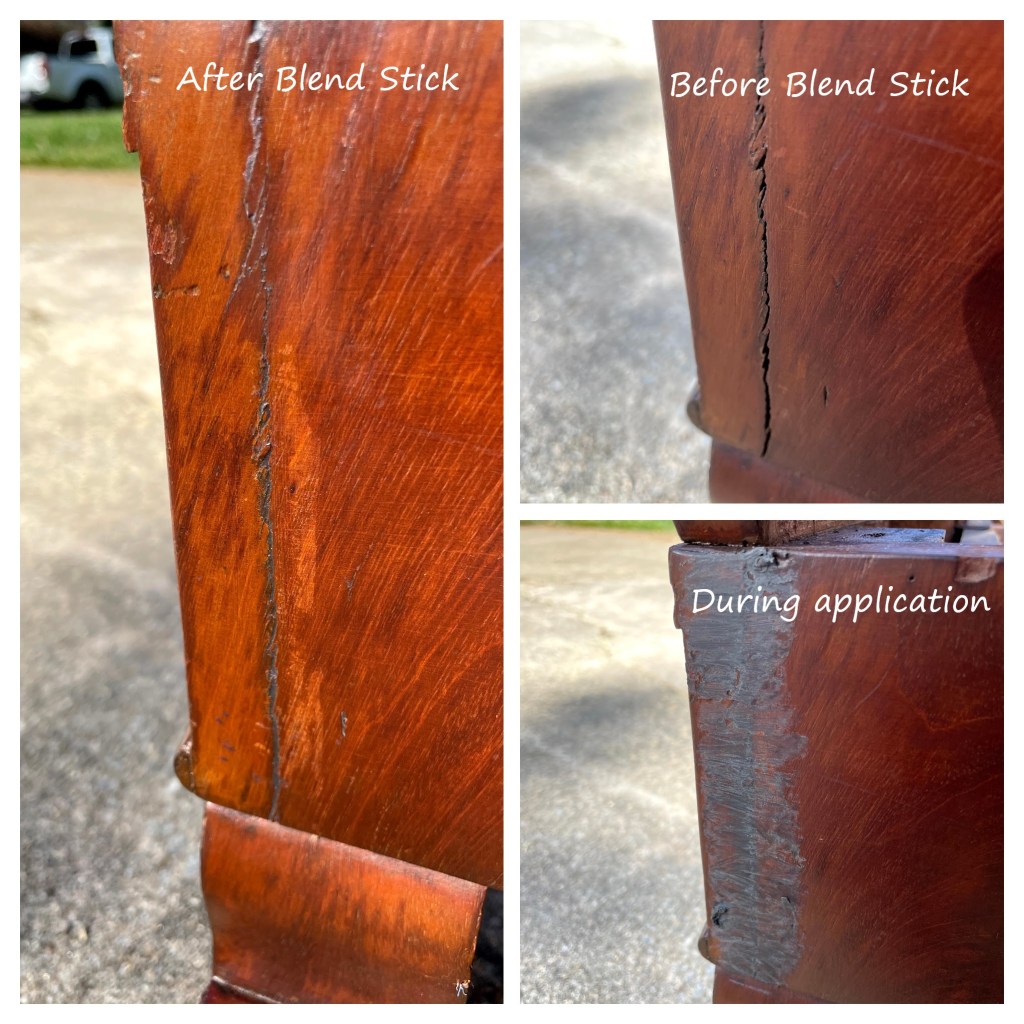
Restor-A-Finish blended out the smallest scratches and (with the careful use of some fine steel wool) removed the scuff and paint marks. I went back to the bigger cracks and scratches with a black Blend Stick and a dark furniture marker.
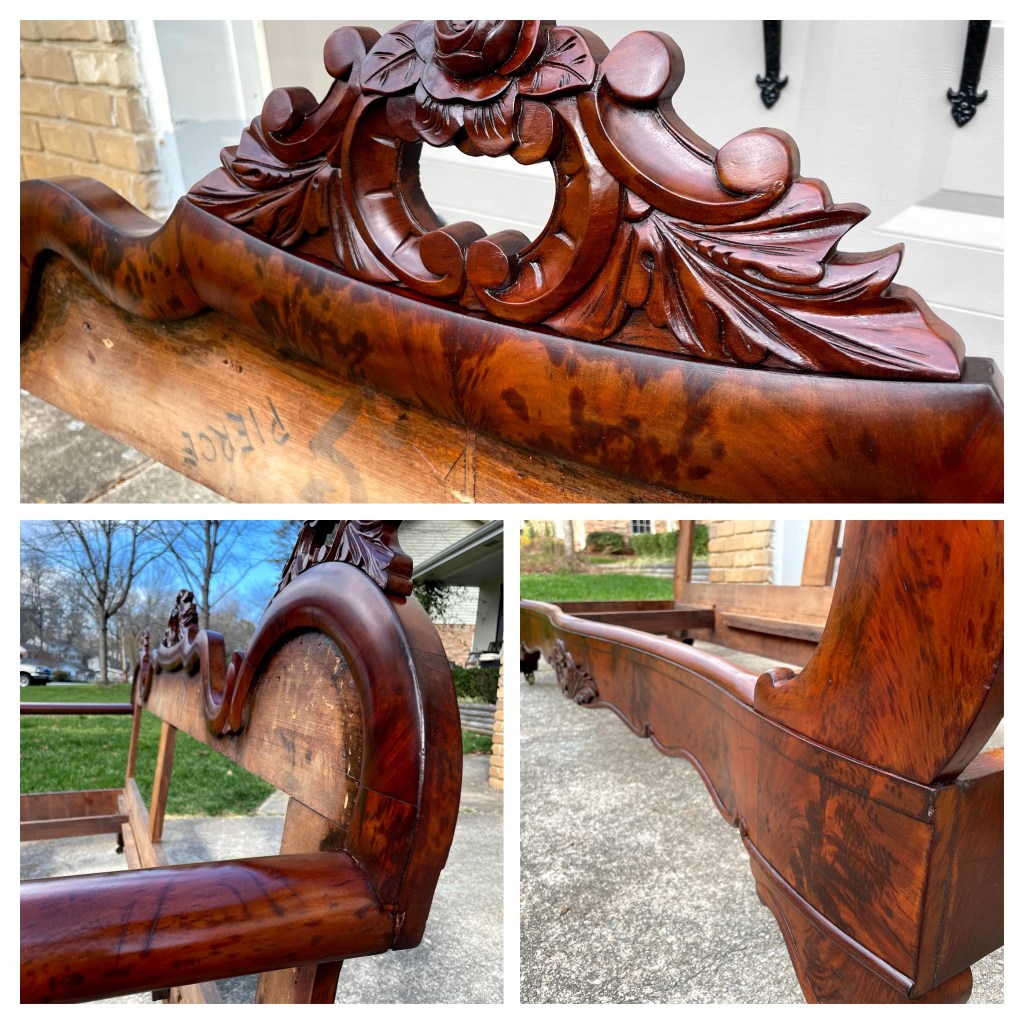
When the scratches, cracks, and dings had all been treated I finished with a coat of Feed ‘n’ Wax to restore a beautiful glow.
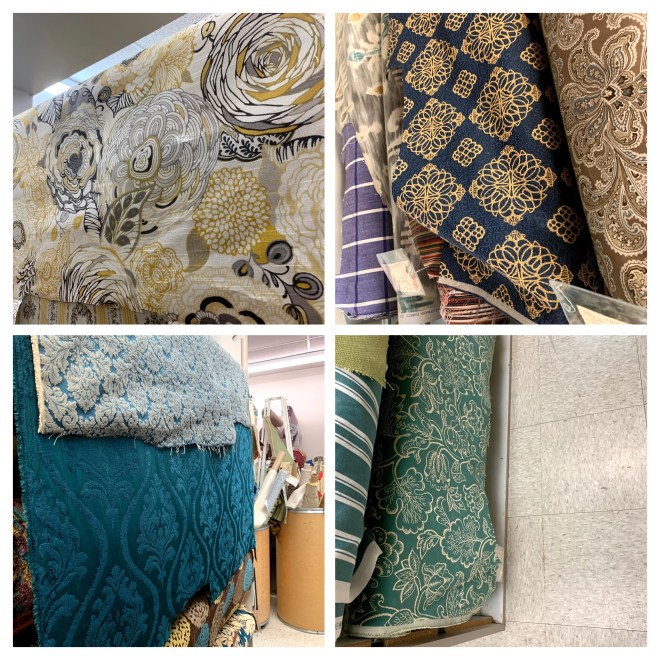
Meanwhile the new owner went fabric shopping. Amongst these and other options her eye kept going back to the one top left, which we decided to call “Modern Rose”. The pattern compliments the rose carvings on the frame perfectly, and the grey/yellow color scheme is a personal favorite of hers. We chose black velvet for the outside back and sides and included matching pillows trimmed with black velvet cording.
The final leg of the journey was back to the upholsterer to put it all together.
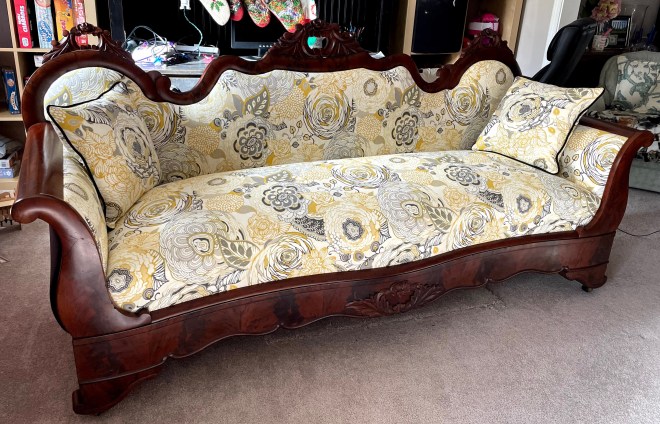
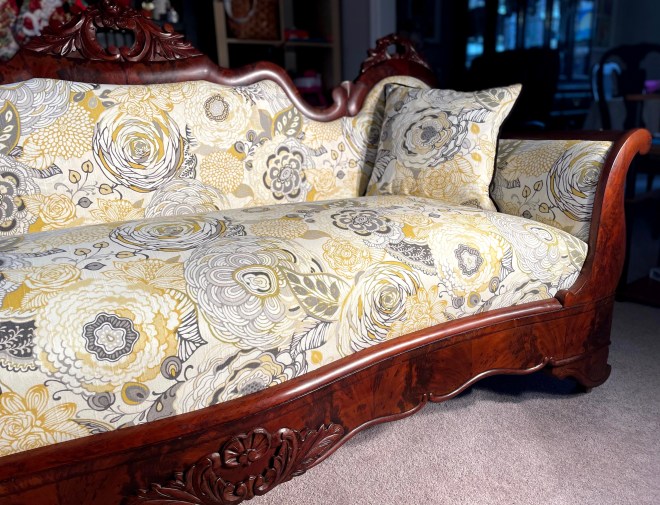
The end result is a beautiful blend of the rich wood tones and the new fabric, which is the perfect balance of neutral/vibrant and modern/traditional.




#33 Ethan Allen console cabinet
Transformation expenses: $205
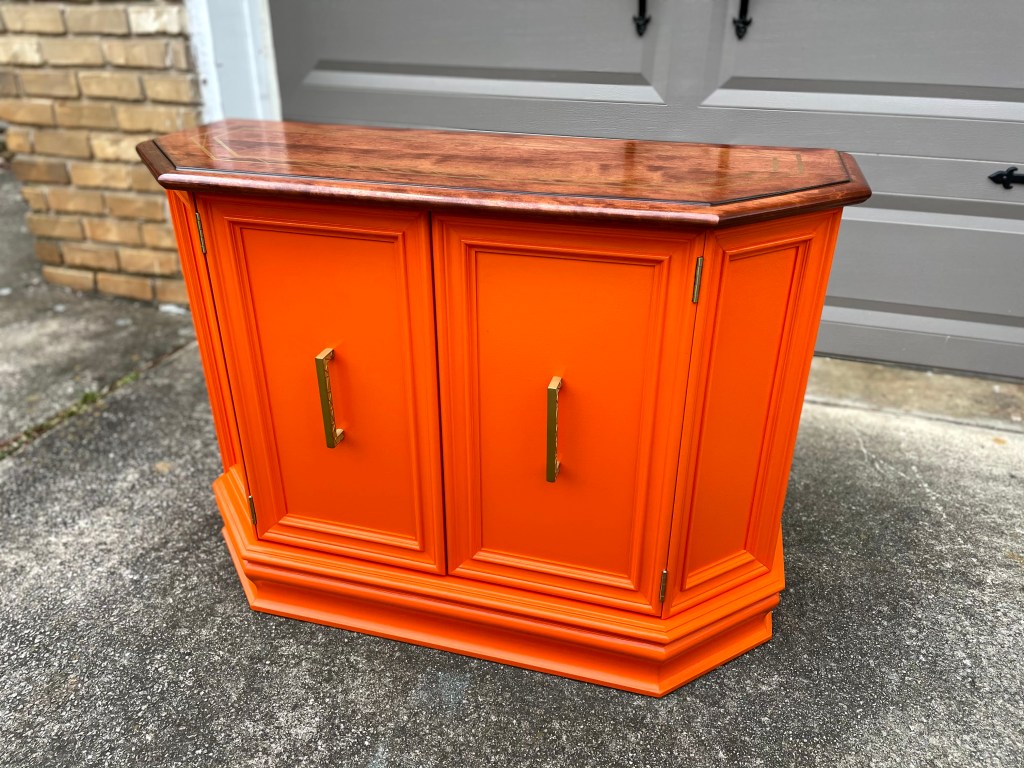
Before I even got it home fate had a plan for this Ethan Allen cabinet. On the day I decided to rescue it, I called a friend and neighbor to help me load it onto my truck. Straight away she knew it would work as the bar cabinet she and her husband wanted for their library/office renovation. Designing it to be a showstopper in an eclectic room with both rustic and modern elements was a challenge. I’m happy with how it turned out.

I started by taking the piece apart, stripping the top, removing the old hardware, filling the holes with doweling and wood filler, and cleaning and sanding everything.
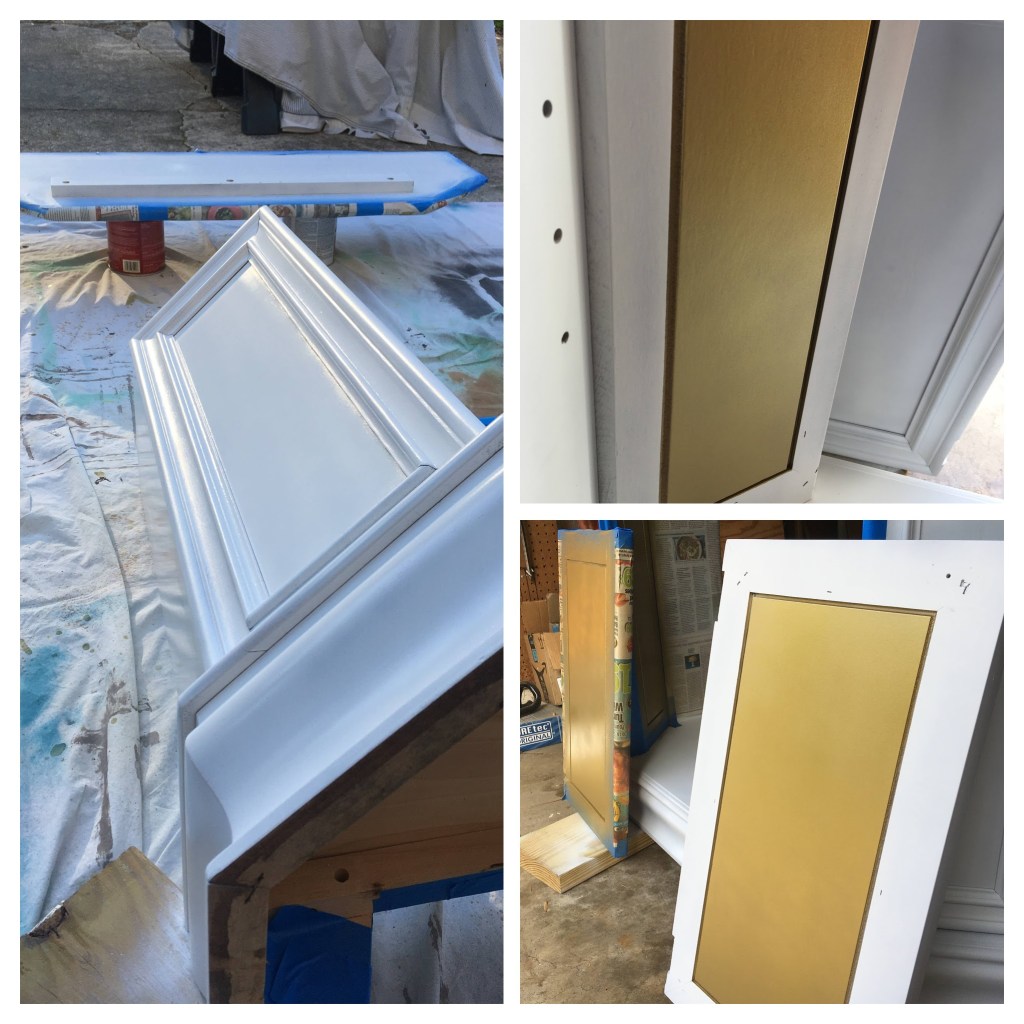
I primed the carcass with two cans of Rust-Oleum 2X Ultracover primer. I then added some glamour to the inside panels of the doors & cabinet using Rust-Oleum Aged Metallic paint in Vintage Gold. You’d think this stuff was real gold the way it has been disappearing off the shelves!

Next I added the Wow! factor with four coats of Behr high gloss enamel in a custom color that we’ll call Hermes Orange. I actually took a friend’s Hermes scarf box to The Home Depot for them to color match.

The lovely maple top of this cabinet is the design element that pulls everything together. I custom stained it to complement the rustic fireplace mantel it would be near. The stain was a 50:50 mix of Varathane premium wood stains in Cognac and Dark Walnut. I then added a bespoke stenciled design that mirrors the one on the new door pulls.
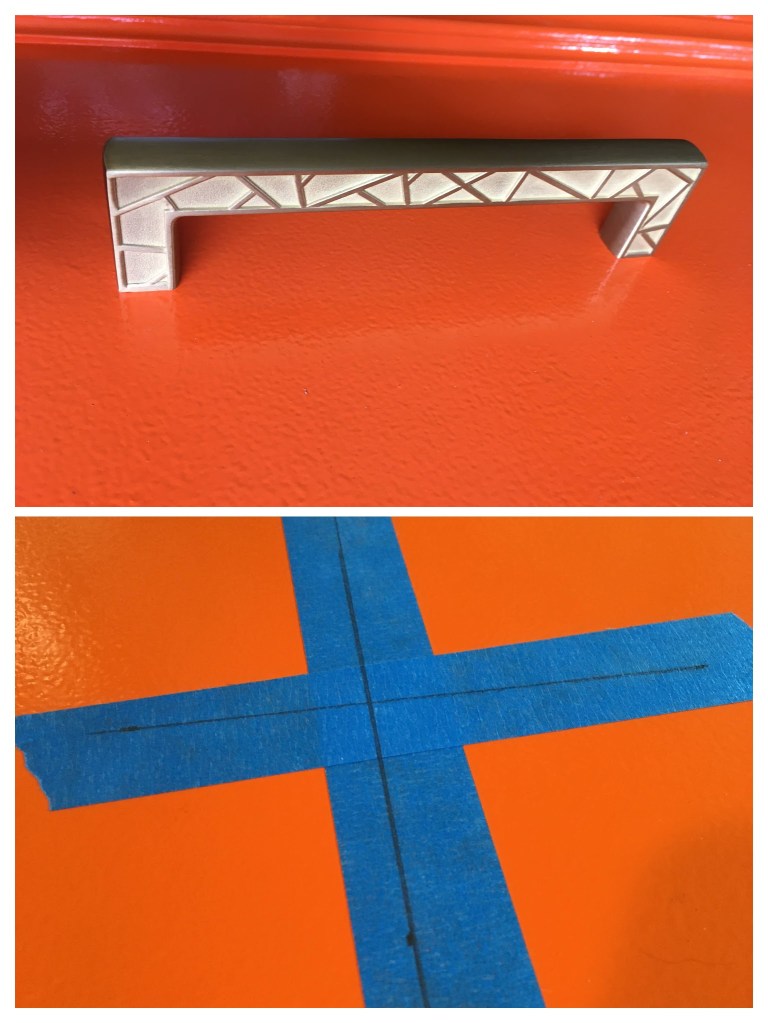
New door pulls from Bellwith Keeler and new brass hinges updated the hardware
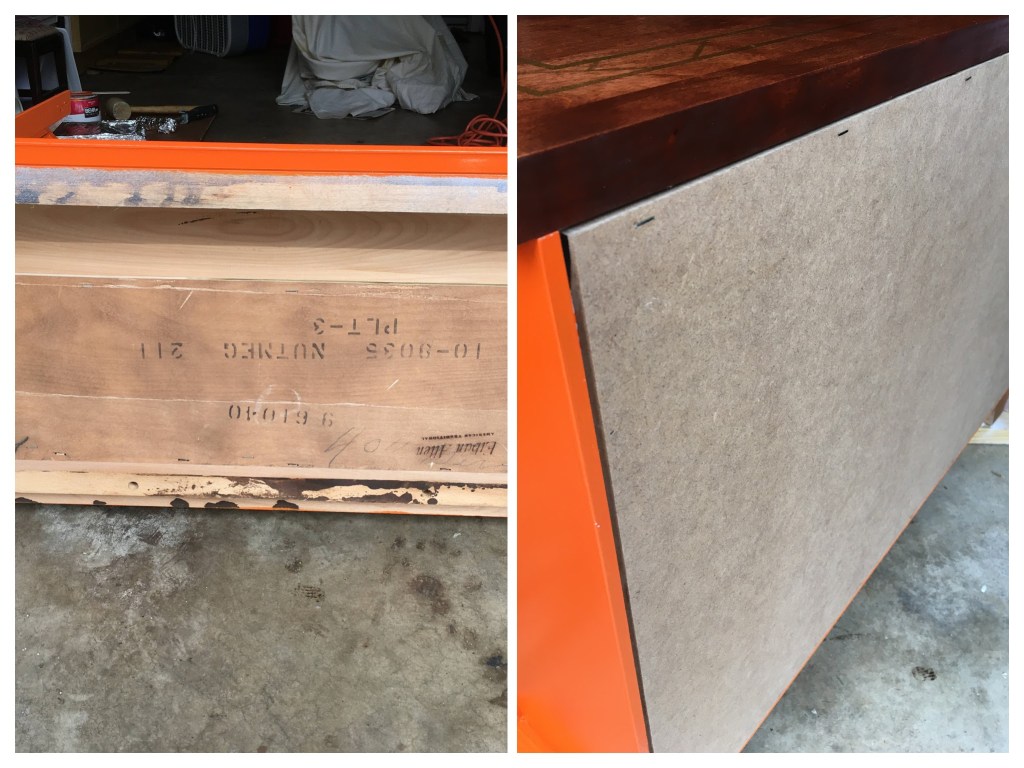
The back panel had to be replaced because it had warped, so I got my husband to cut out all the identification from the old back panel and then I attached it to the underside of the cabinet. I also attached mirror glass to the inside of the back panel, then reassembled the piece. A glass interior shelf was the finishing touch.


#32 Antique church chairs
Transformation expenses: About $20
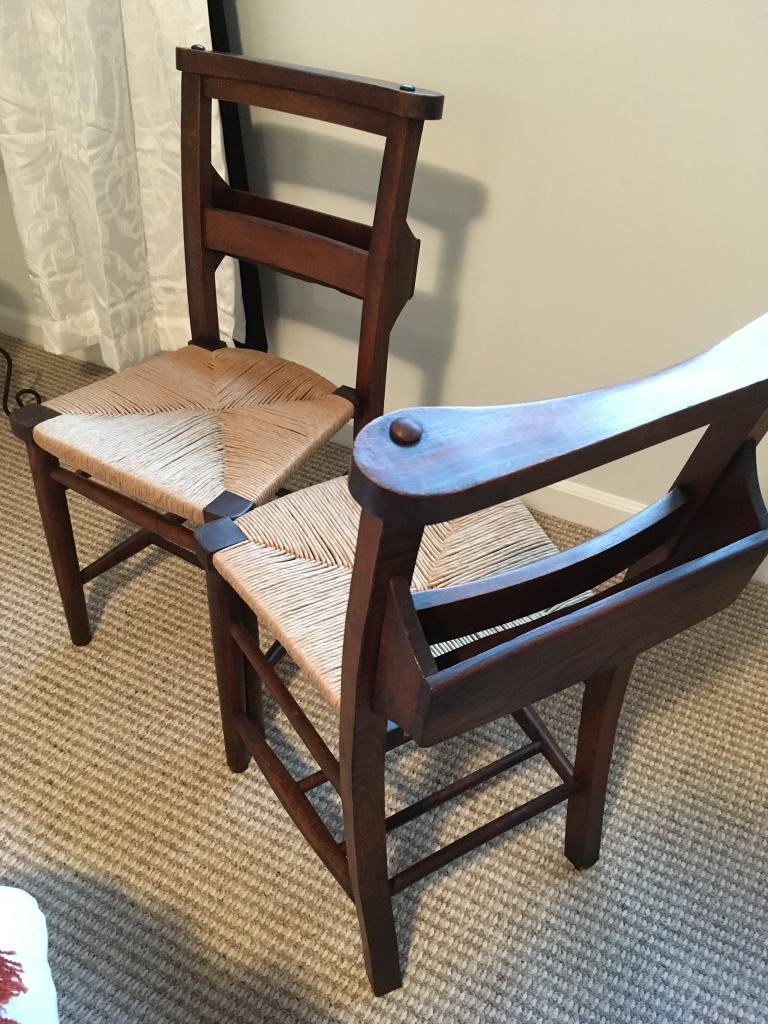
I nearly ignored these chairs thinking they were children’s furniture. Thank God I was sufficiently intrigued by the bible backs to pick them up! I quickly discovered they are antique church chairs, probably made in England in the late 19th century. The frames were dirty but in good condition, and responded beautifully to some simple restoration. A replacement plug and some newly woven rush seats completed their transformation to gorgeous accent chairs with a rich history.

It is likely these chairs were made in England by a company called West & Collier. They look just like chair # 112b from the company’s catalogue of the time. West & Collier was founded in 1869 in a village named Frieth in Buckinghamshire, England. The wood is probably elm and the two extra spindles between the back legs would have been for stowing a gentleman’s top hat during service.
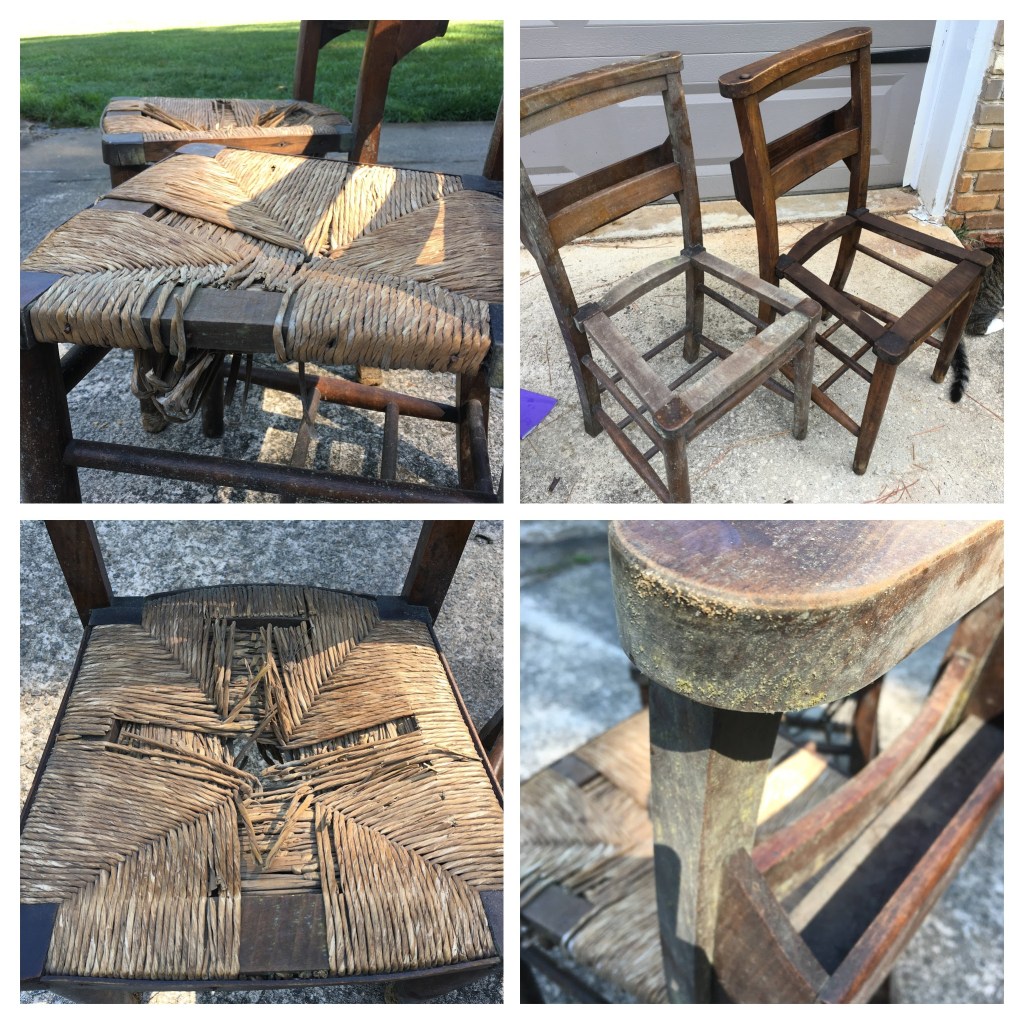
The chair frames were dirty but in good condition, while the rush seats were both damaged beyond repair. I began my restoration by removing the old rush and cleaning the frames with a very dilute solution of Simple Green all purpose cleaner.

After cleaning (bottom right), I applied Howard Restor-A-Finish in walnut (top right), and then Howard Feed-N-Wax (bottom left)

With the frames nicely restored I was ready to weave some new fiber rush seats. This was my second time using a technique I learned from an incredible instruction video by Ed Hammond of Peerless Rattan. I chose to not finish the woven rush with shellac because these seats will be indoors.
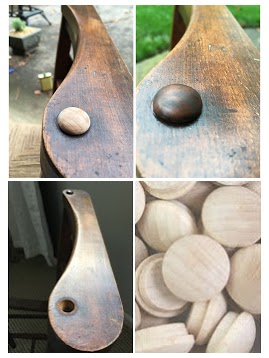
The final step of this restoration was to replace the missing button top wood plug. I got the part I needed from Widget Co. With a little sanding, I was able to make it fit like a glove and have the more rounded-off look of the originals. Once in place I used a mix of Varathane stains (dark walnut and kona) to give it the right color and antiqued look.



#31 The Sophia desk
Transformation expense: About $35
This was my first transformation done with an apprentice and it was a baptism of fire for 9-year old Sophia! By the end we had applied eight coats of paint and wax to this piece! The hurdles we had to overcome were good teaching moments, and the end result was well worth all the effort. My design inspiration was a refinished piece by The Resplendent Crow.

This desk is solid wood, and has some decent joinery, but had also seen its fair share of wear and tear.

Rolling up her sleeves, Sophia got to work cleaning the desk inside and out. We then sanded and used wood filler to repair the biggest imperfections, including a crack in the top.

Sophia chose a beautiful, pale blue color (Permafrost) for the Behr Chalk Paint. We applied the first coat and immediately ran into two serious problems: 1) When the desk was moved, the crack in the top re-opened and 2) Stain from the sanded surface was bleeding through the paint causing yellowing.

Fixing the recurring crack was made harder because the top could not be removed (a couple of wood wedges were gluing it firmly in place). To install a metal bracket across the joint I had to drill pilot holes down through the desktop because I couldn’t get a drill in from the underside. Once the stabilized crack and pilot holes were filled and sanded, we could move on to problem #2.

A couple of coats of Kilz oil-based primer sealed the surface and prevented any further bleeding of the stain.

Now we could go back and apply three coats of the beautiful pale blue chalk paint.

When the painting was finished we decided to take this desk to the next level by adding some stenciling to the top.

Two coats of clear wax give protection and a beautiful sheen to the finish.

Tea break!

Finally we were ready for the finishing touches: We removed all the painter’s tape, polished the whole surface to a lovely sheen, and re-installed the hardware, which had been cleaned and painted in Rust-Oleum white semi-gloss spray paint.


#29 Antique Queen Anne-style dressing table
Transformation expenses – $55.46
This circa 1910 dressing table was put to the curb just yards from my house! Its beautiful, long legs drew my attention immediately. Despite being disguised in paisley fabric I knew it could look amazing just because of its fine lines.

I secretly liked the fabric-covered look but it had been very badly done and was falling off in places. A lot of it just peeled away and the rest came off after a little dampening.
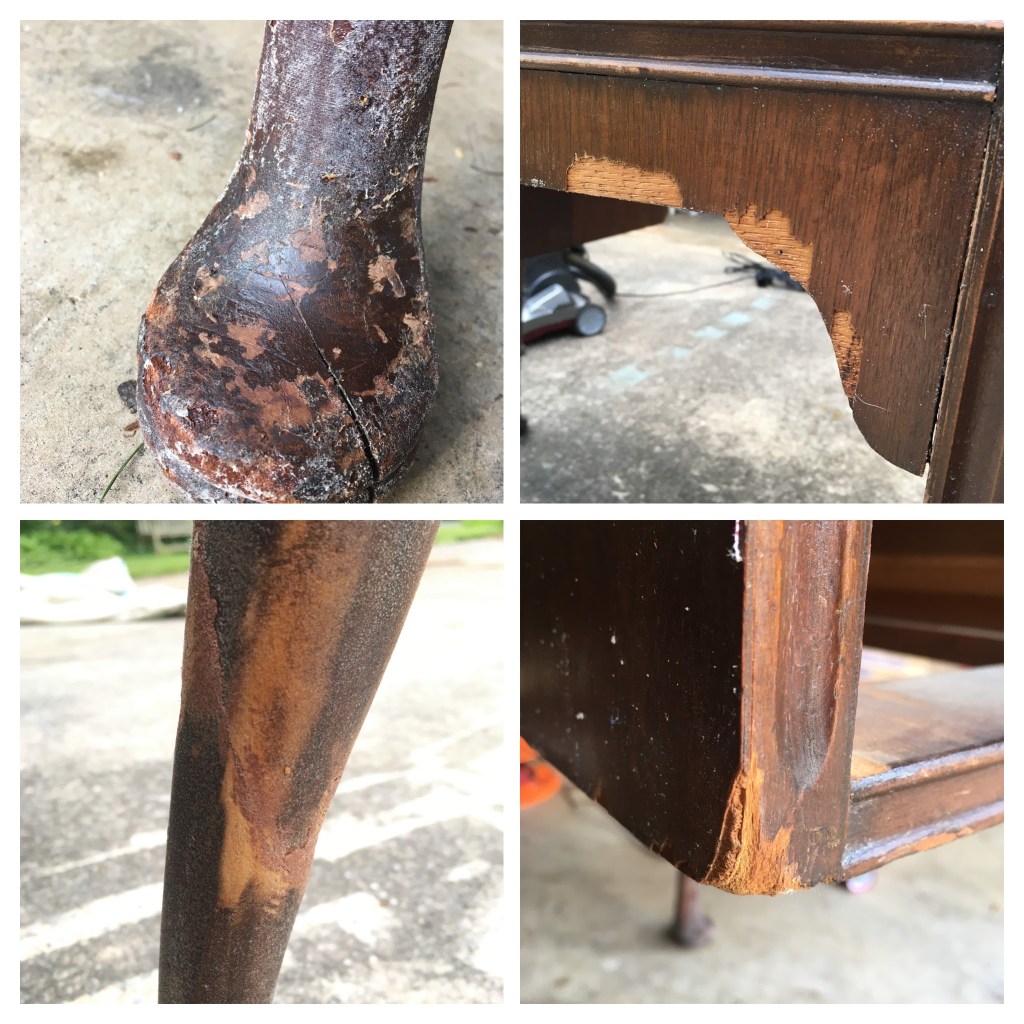
I was delighted to find the top and drawer fronts in pretty good condition, but other parts of the piece were seriously damaged, including a leg that had obviously been broken and shoddily repaired.

After much research and deliberation I realized it would not be worth attempting a full restoration so I decided on a combined restore & refinish approach. I started by restoring the drawer fronts, which have a beautiful tiger maple veneer. Fortunately the fabric adhesive came off with a dilute soap solution and did not require any solvent. Once they were cleaned, I used Howard Restor-A-Finish in walnut followed by Howard Feed-n-Wax oil-based wood conditioner.
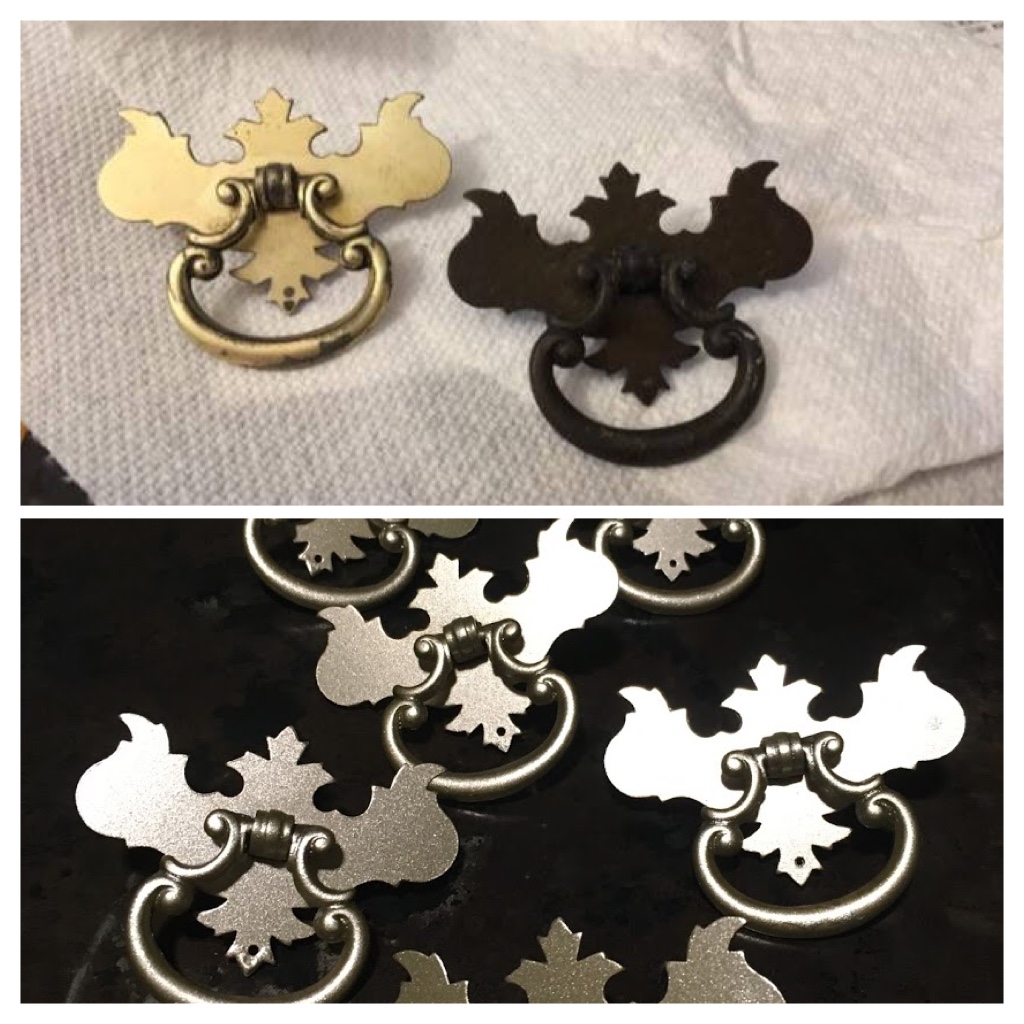
The Chippendale-style drawer pulls were so tarnished they were nearly black (top right). I considered leaving them that way but realized they would complement the restored drawer fronts more if they were refreshed. I set about polishing them, only to find they are brass plated, not solid brass. The Bar Keeper’s Friend I was using removed some of the brass plating (top left) but all other gentler approaches I tried were ineffective. I decided to go ahead and polish them all then touch them up with Rust-Oleum’s Metallic in gilded brass (bottom).

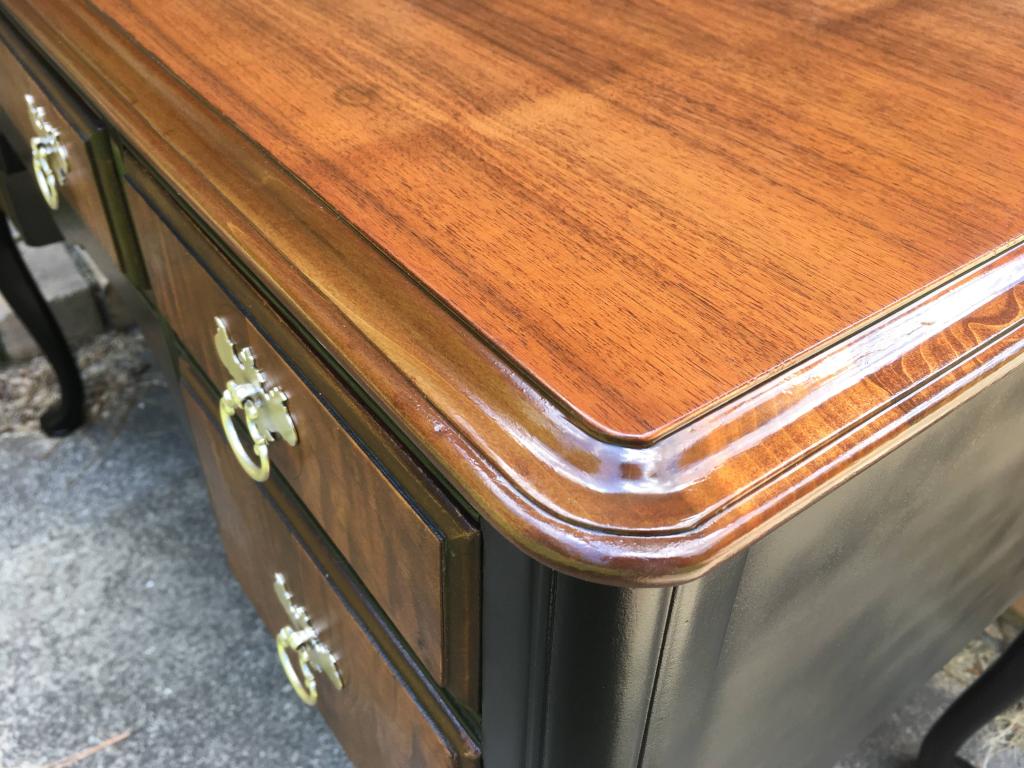
When it came to the table top, allowing myself to refinish rather than restore had a couple of advantages: For one thing it would have been impossible to remove the adhesive without damaging the old finish and for another I could now use a more modern, durable ,and practical polyurethane. I got back to the bare wood using stripper and sandpaper. I then applied Rust-Oleum wood stain in American Walnut, followed by 3 coats of Varathane polyurethane in semi-gloss. The color perfectly complements the drawer fronts.
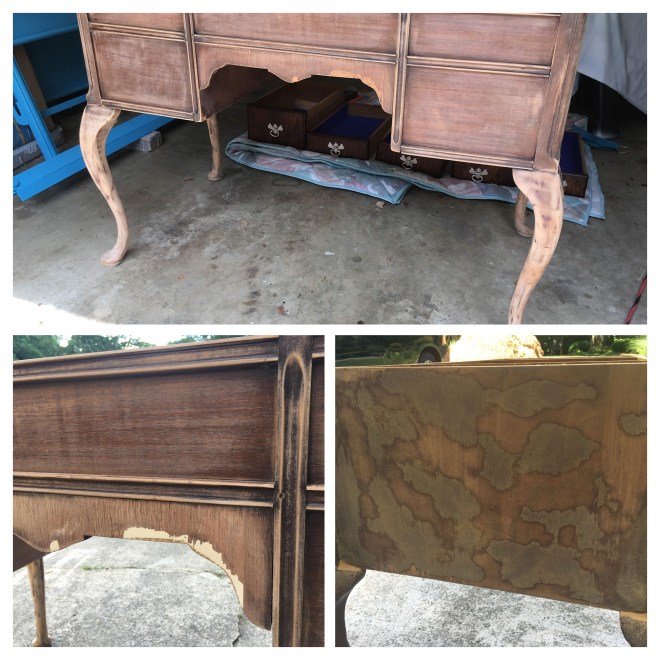
Finally it was time to tackle the frame and legs. The biggest challenge of this piece was the adhesive used to attach the old fabric covering. It behaved differently on every different surface. Some mineral spirits thinned it out in places but would not remove it completely. In the end there was nothing for it but to sand it off. Using 150, then 220, then 400 grit sandpaper I eventually removed all traces of adhesive. I used professional wood filler to repair some dings, cracks, and damaged veneer.

Once all the cavities were masked off ,I applied primer followed by two coats of Rust-Oleum Canyon Black in satin finish. The piece was then ready to reassemble.



#28 Full metal bed
Transformation expenses: $40.14
I’ve always loved seeing metal beds painted in interesting colors. When a neighbor posted that she was getting rid of this one I was equal parts excited by its prospects and intrigued by it’s design; I had never seen a metal bed shaped like this before. Luckily it was just what a friend wanted for her spare room so I gave myself the green light to pick it up knowing it already had a final destination.

My interest was really sparked when I found some of the original, wood effect finish on the side rails of this bed (bottom right pic). A bit of internet research has me believing this is probably a Simmons bed made in the 1920s or 30s. It might have originally looked like the 1930s one in the top right pic. Sadly any original labels/markings were long since painted over.

It wasn’t easy to tell what was rust and what was the original wood effect finish but a thorough cleaning and sanding was needed either way.

A coat of Rust-Oleum Rust Reformer in all the crevices and exposed spots will ensure if there is any residual rust it won’t rear it’s ugly head later.

This project was finished with 5 cans of Krylon Fusion satin spray paint in Lagoon Blue. The color (picked by my client to go with a family heirloom quilt) brings a smile to my face every time I see it. The industrial look of the frame has really been lifted by the cheerfulness of the color.


#27 Antique Jacobean-style chair
Transformation expenses: Frame restoration – $4.84, professional upholstering in leather – $420
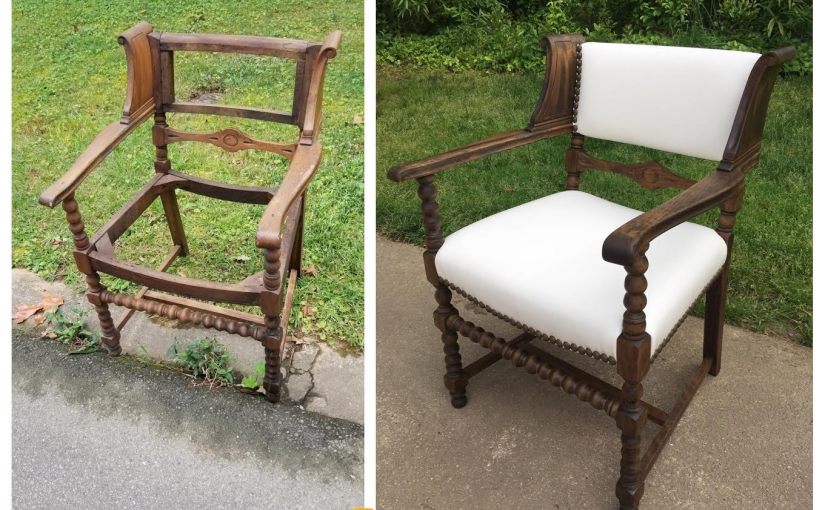
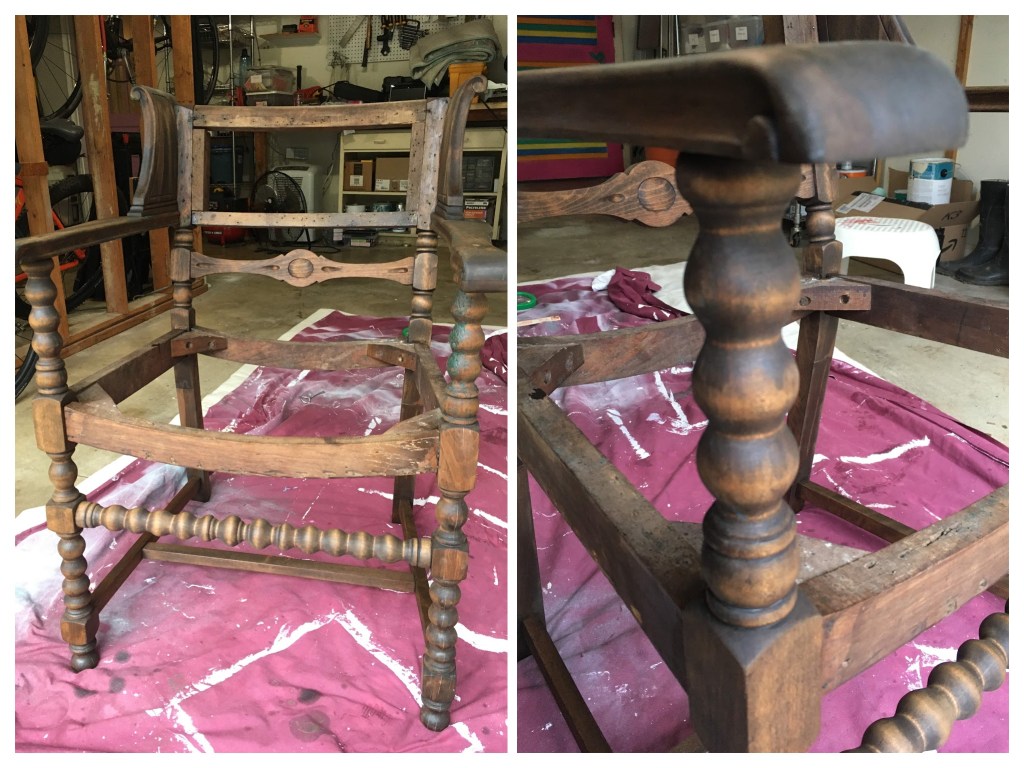
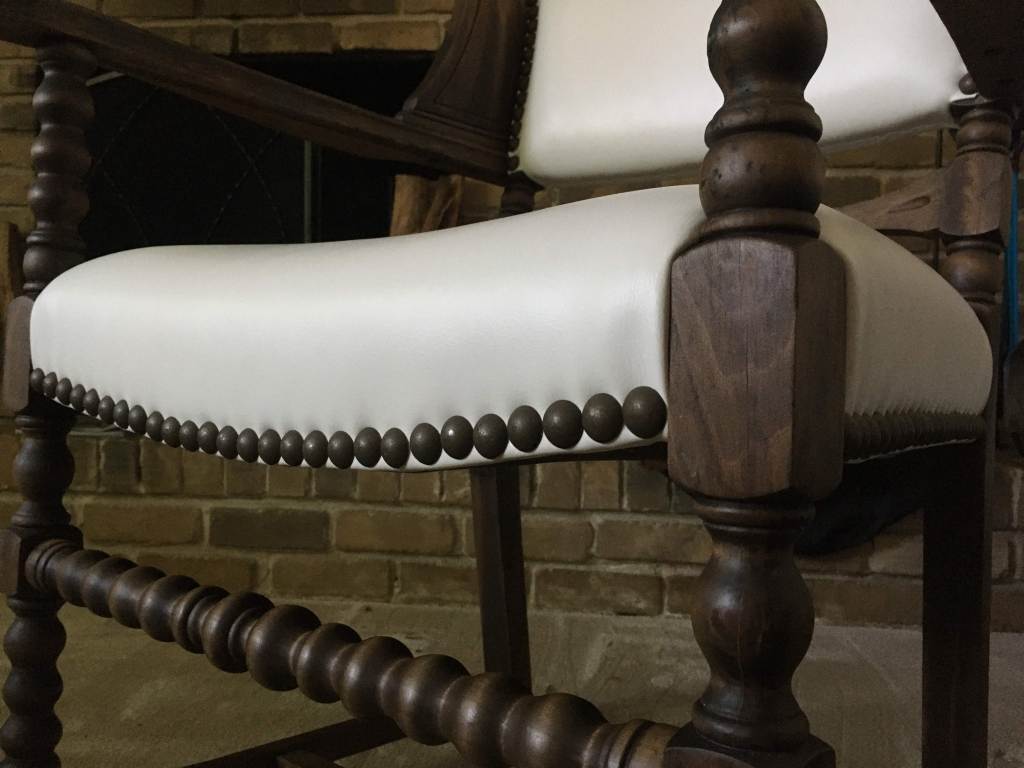
This circa 1890s winged armchair was put to the curb at a property that was being flipped. Its transformation was a labor of love. For the first time ever I employed the help of professionals; the re-upholstering of this chair was beyond my capabilities, so after I had transformed the frame, I took it to Budget Upholstery & Fabrics. I would not ordinarily have gone to such great expense but the antique value of this piece made it worthwhile.
Some people reading this might question me refinishing rather than restoring this chair. We’ve seen antique appraisers lamenting over a piece that has diminished in value by being refinished. This was not that type of piece (see below). I’d like to think the original furniture maker would be pleased to know that 120+ years later someone had put so much time and effort into making it functional and beautiful again. Read on for more on its journey from mildewed neglect to fireside treasure.

Peter Cook (executive producer of Antiques Roadshow) wrote: ” Understandably, our Americana experts on the Roadshow live for wonderful old pieces of furniture that have somehow survived in terrific condition …. Most old furniture, of course, doesn’t come close to meeting those standards. On the contrary, most furniture has been well used (even abused), scratched, broken, and often repaired many times. How could such furniture not be improved by a good job of refinishing or restoring? A comparison with a friend’s antique left me in no doubt that this piece was beyond simple restoration. On the left is my friend’s chair which is well preserved and still has its original patina. On the right is this chair which was dull and mildewed in places.
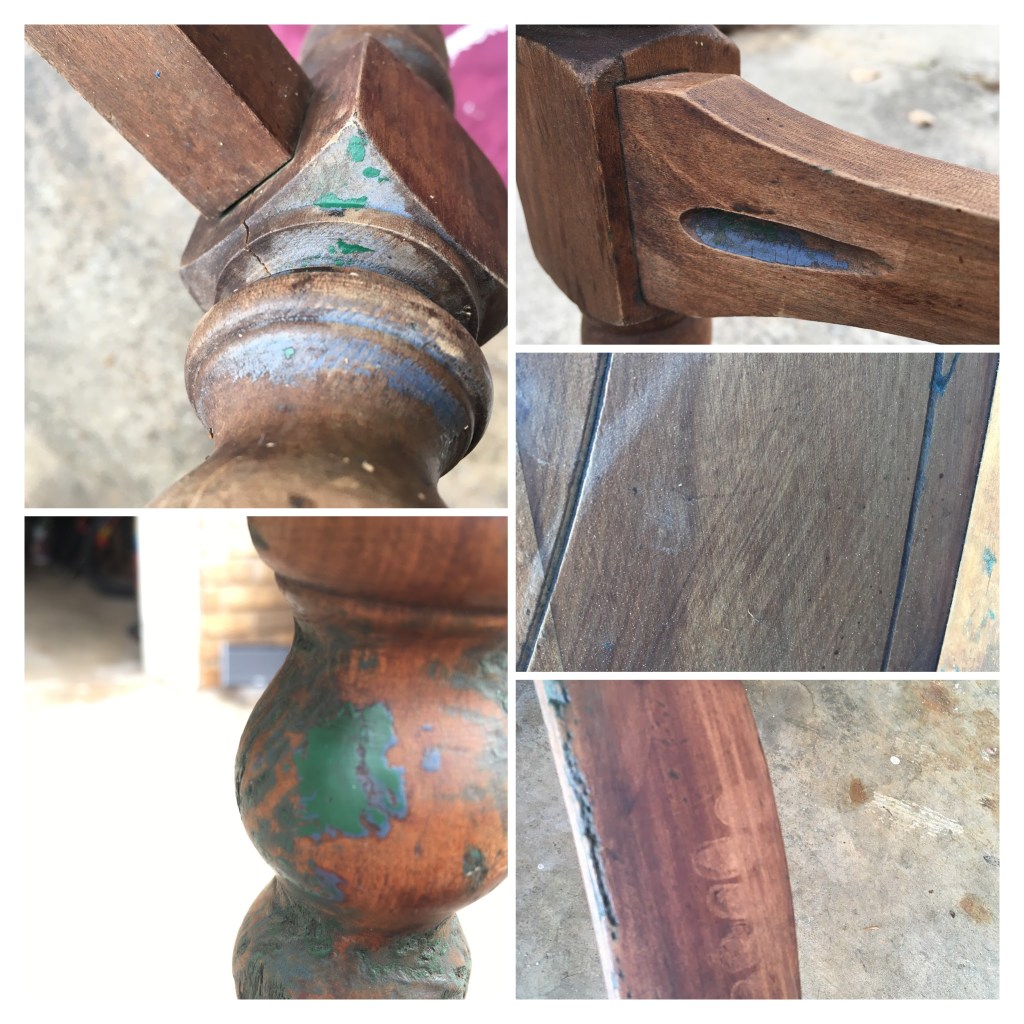
As well as signs of neglect this chair had evidence of poorly applied stain (see brush marks and fingerprints) and at least two different applications of paint (blue & green).

I first cleaned the piece with a mild detergent and then with TSP All Purpose Heavy Duty Cleaner (used by antique restorers). After both cleanings the chair still needed more than just a finish coat. I knew then that I would need to sand it back to the raw wood.

My goal was never to get it looking like new, rather to remove all ingrained dirt/mildew and get it a fairly even color for staining. After many, many hours of painstaking work (using just 220 or 400 grit finishing sandpaper) the sanding was finally complete. The piece still bears a lot of the marks of old age (scratches, dings, traces of old paint) but those all give it character.
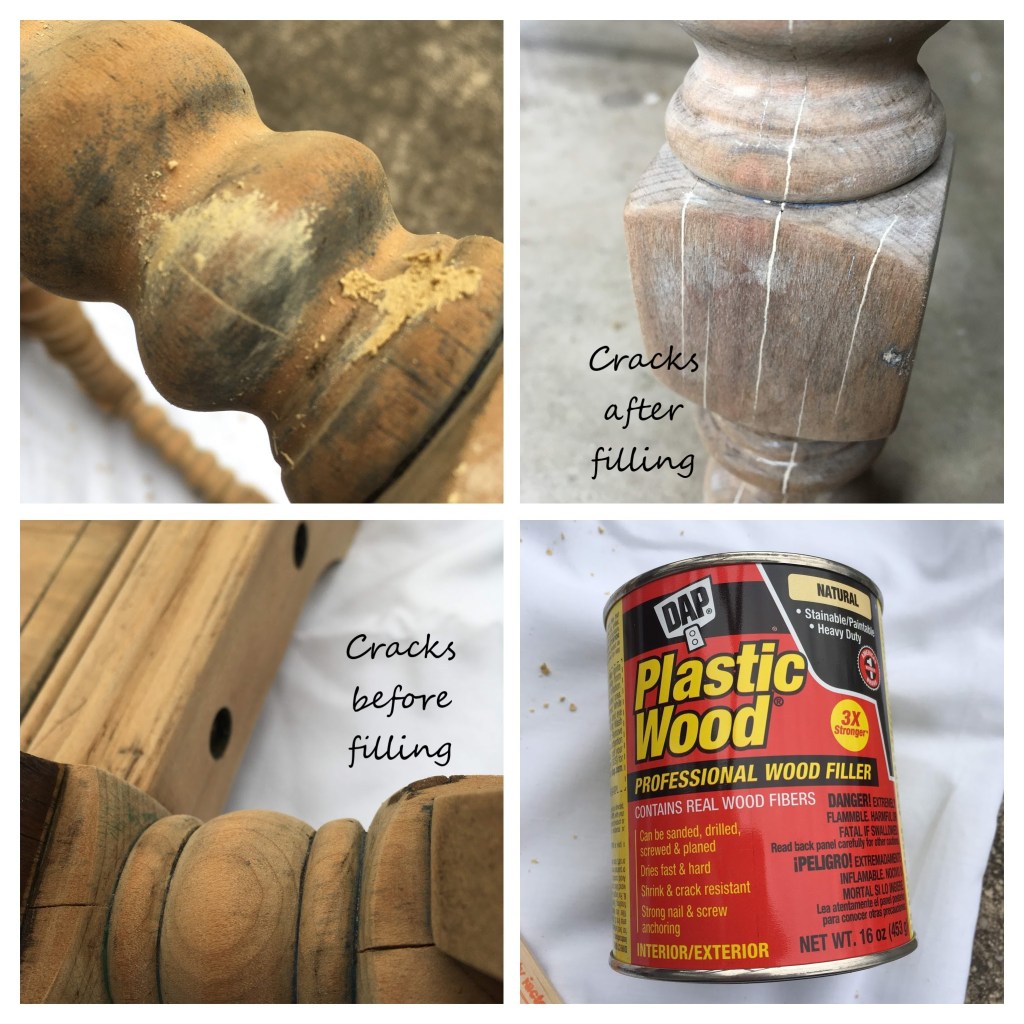
Before staining I filled the hairline cracks (probably from water damage) with Plastic Wood Professional Wood Filler. I simply rubbed it in with a (glove-covered) finger, let it dry, then sanded away the excess.
On recommendation from an online appraiser I chose a dark walnut oil-based stain by MinWax. I applied it with a brush then immediately removed any excess with a clean rag.
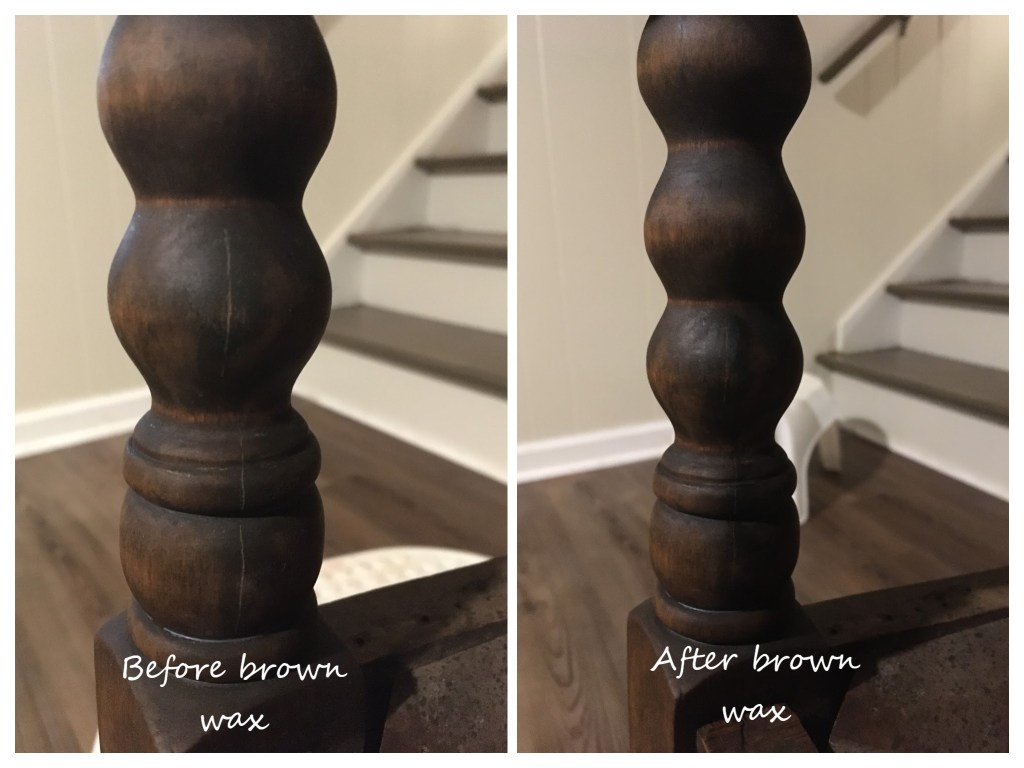
Despite it saying it “May be stained, sealed, or painted immediately after sanding” I was disappointed the wood filler did not pick up enough of the dark walnut color. The filled cracks were still visible, but thankfully I was able to blend them in with a little Annie Sloan dark wax.

As I began applying the finishing coats of Kilz clear sealing wax, some previously unnoticeable smudges of wood filler appeared (left pic). To fix the problem, I removed the wax with some solvent, sanded again, and re-touched the stain. After the whole frame had two coats of buffed wax and cured for 30 days it was ready to go the upholsterer.



#26 Pair of solid oak rocking chairs
Transformation expenses: $120.16
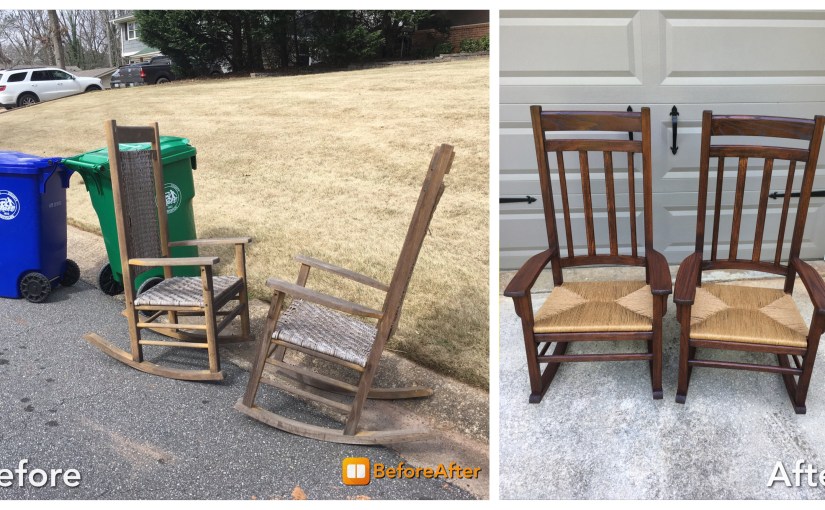
This pair of rocking chairs was no doubt discarded because the herringbone cane was falling apart, and the cost to replace it is prohibitive (around $500 per chair). However it seemed a shame to throw the baby out with the bathwater so I picked them up and contemplated a more economical solution.
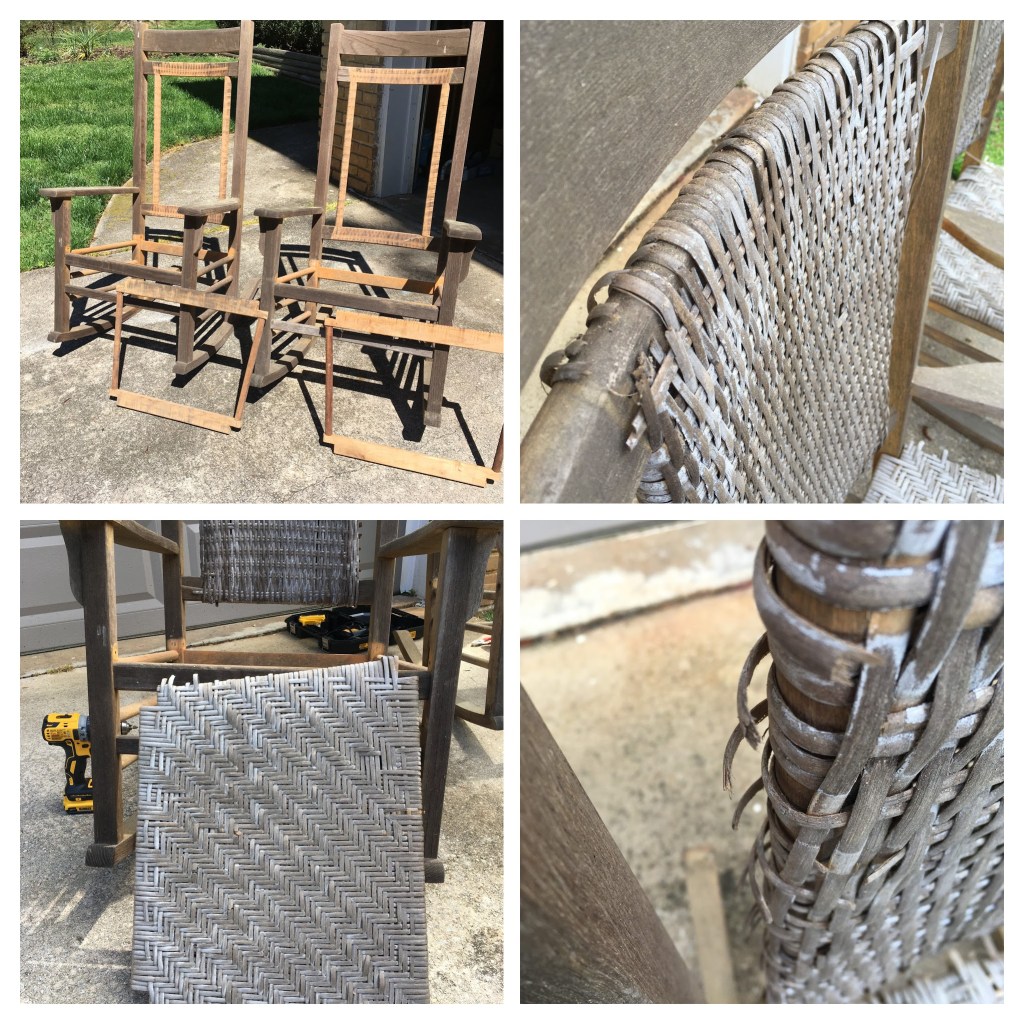
The caning in both chairs was damaged beyond repair. There was no choice but to remove it all. Being able to take out the seat pads made the job a lot easier.

Pressure washing the frames to remove the ingrained dirt was possibly the most fun I’ve had on a project to date. The difference was amazing!

Pressure washing was hard on the wood and patches of the original finish were still there so a good bit of sanding was needed. I used 80 then 150 then 220 grit sandpapers to bare and smooth the wood.

The first of two more economical solutions was to replace the backrest caning on each chair with new spindles. We started with a 9ft long piece of 2″ x 1″ oak. My husband rounded the edges with a palm router then cut four spindles of the right length.
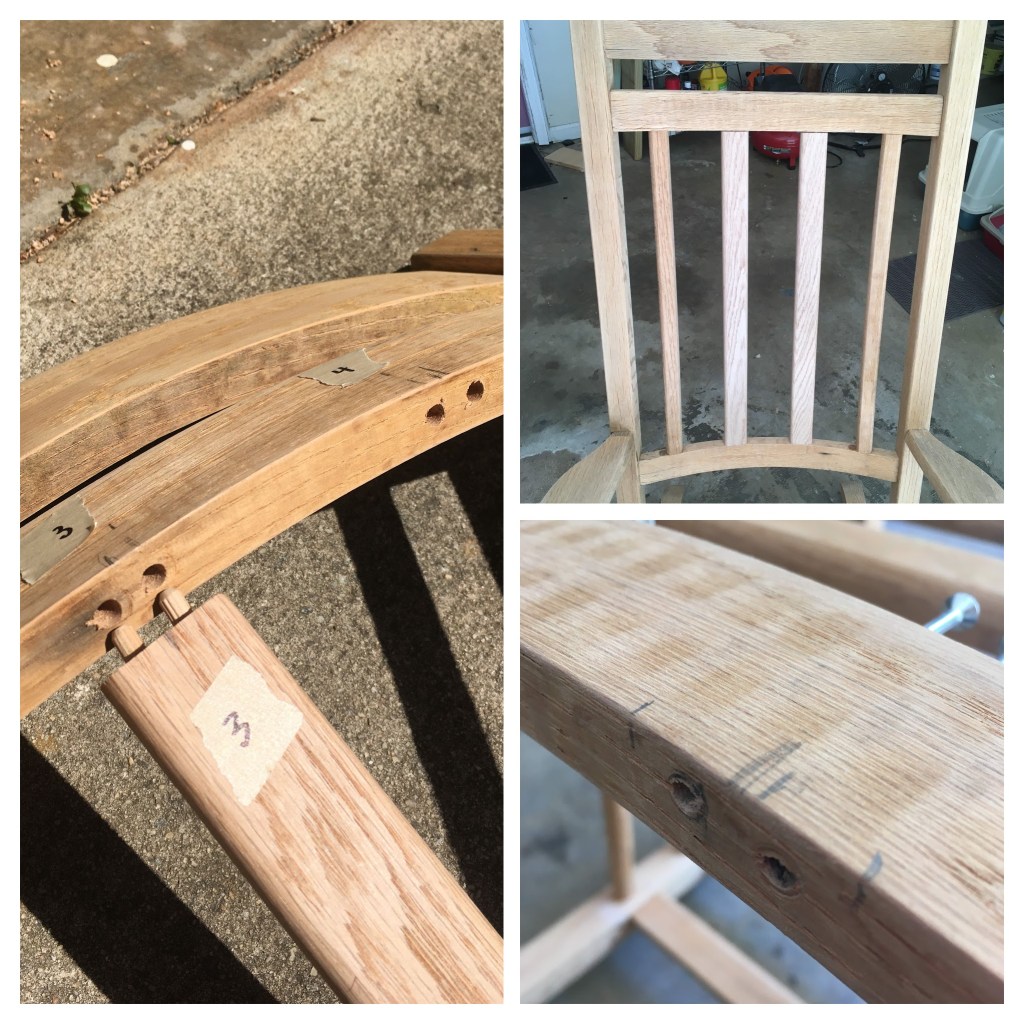
I attached the new spindles using doweling joints at the top rail and 3″ screws through the bottom rail. The frames were now ready for staining.
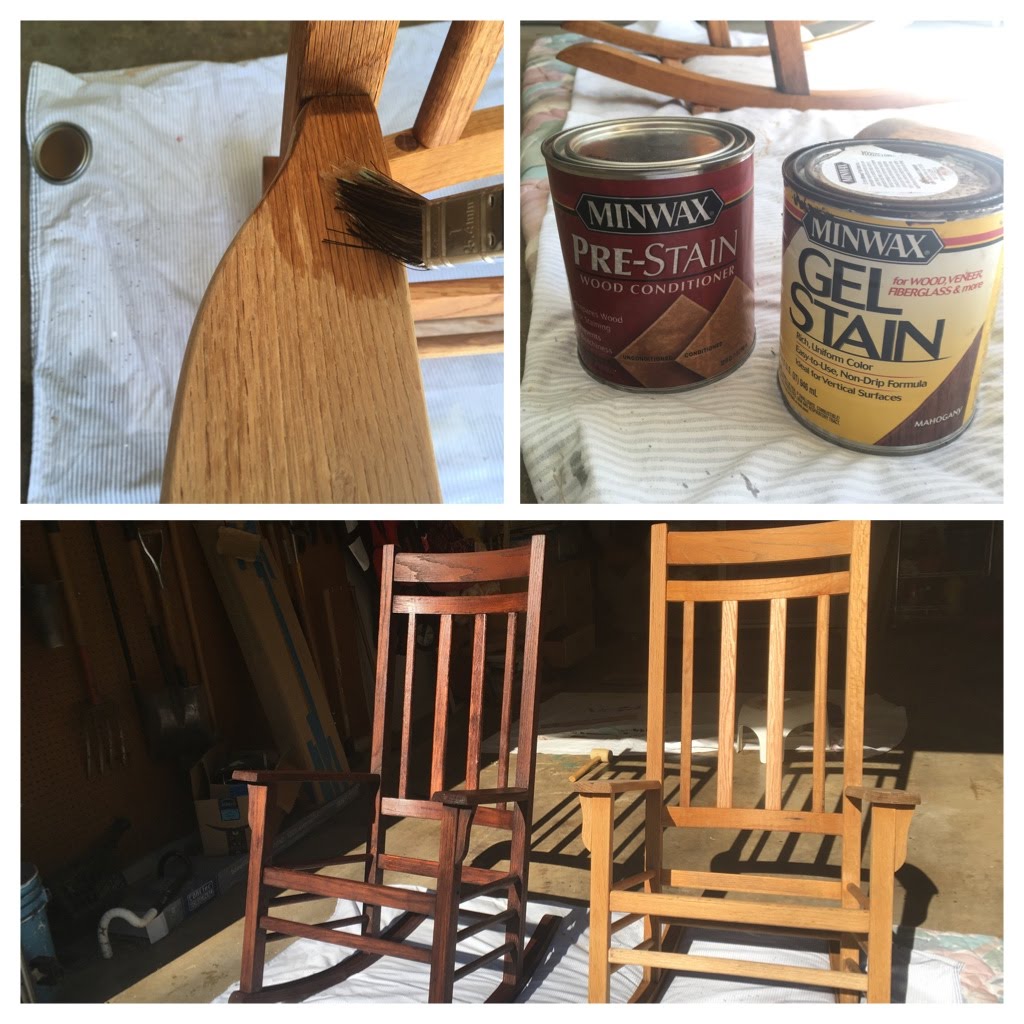
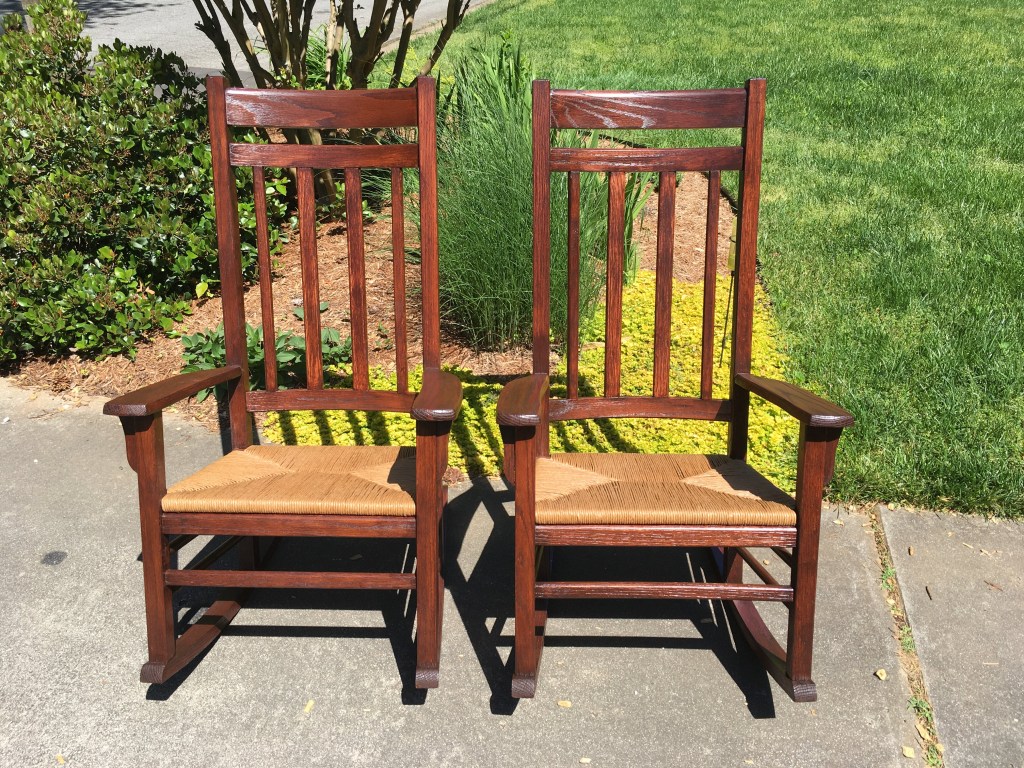
Before staining I treated the chairs with Minwax pre-stain conditioner. I then applied Minwax gel stain in mahogany to match my client’s front door.
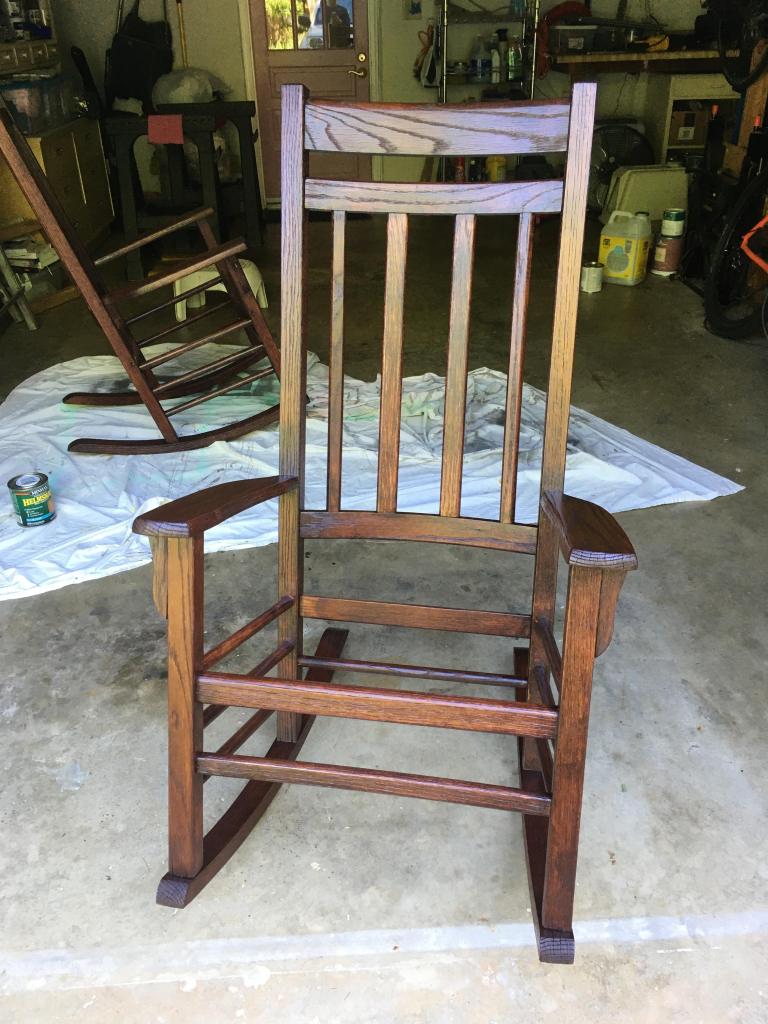
Two coats of Minwax indoor/outdoor Helmsman Spar Urethane in clear satin finished the woodwork.
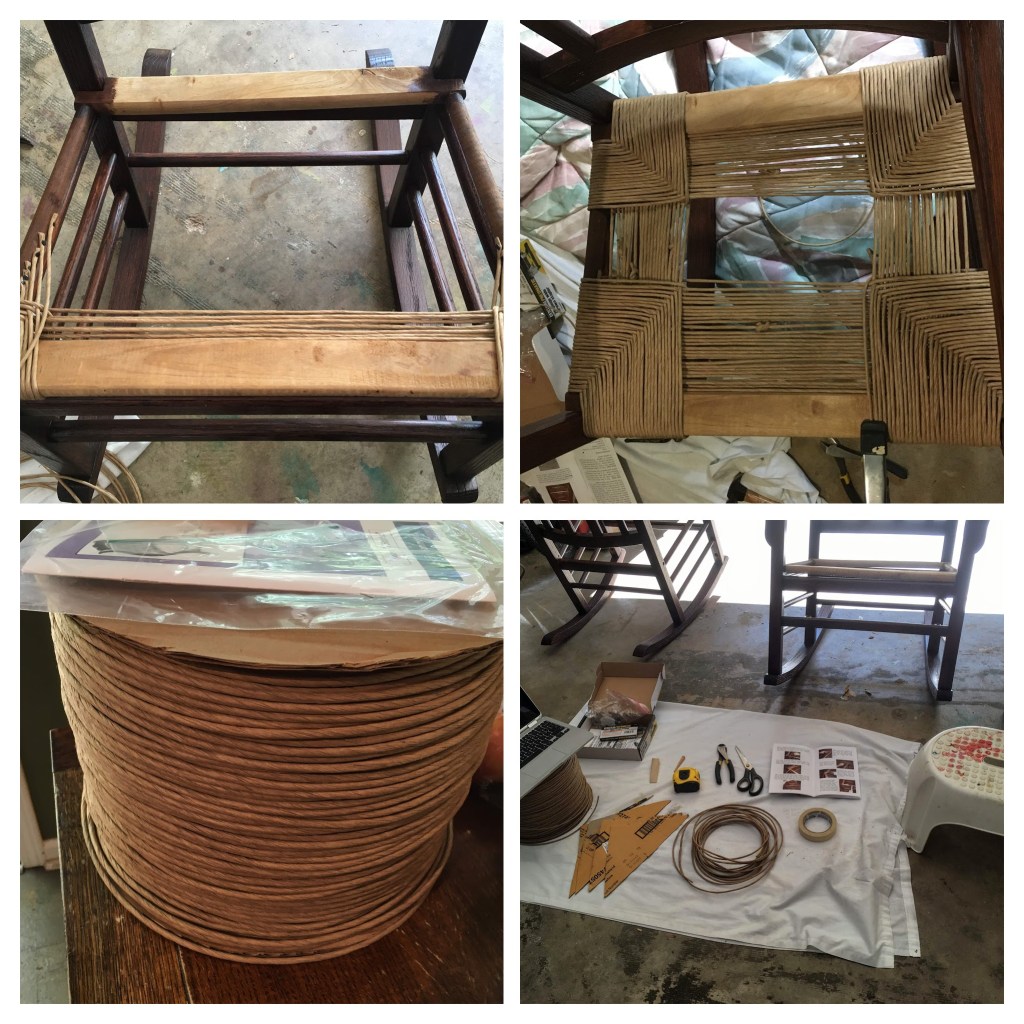
The second solution was to replace the cane seats with woven rush seats. Armed with a 10 lb reel of fiber rush, the necessary tools, and a really good instructional video I took on the challenge. You can find the video here and I am happy to share my learning curve with anyone who wants to attempt this themselves.
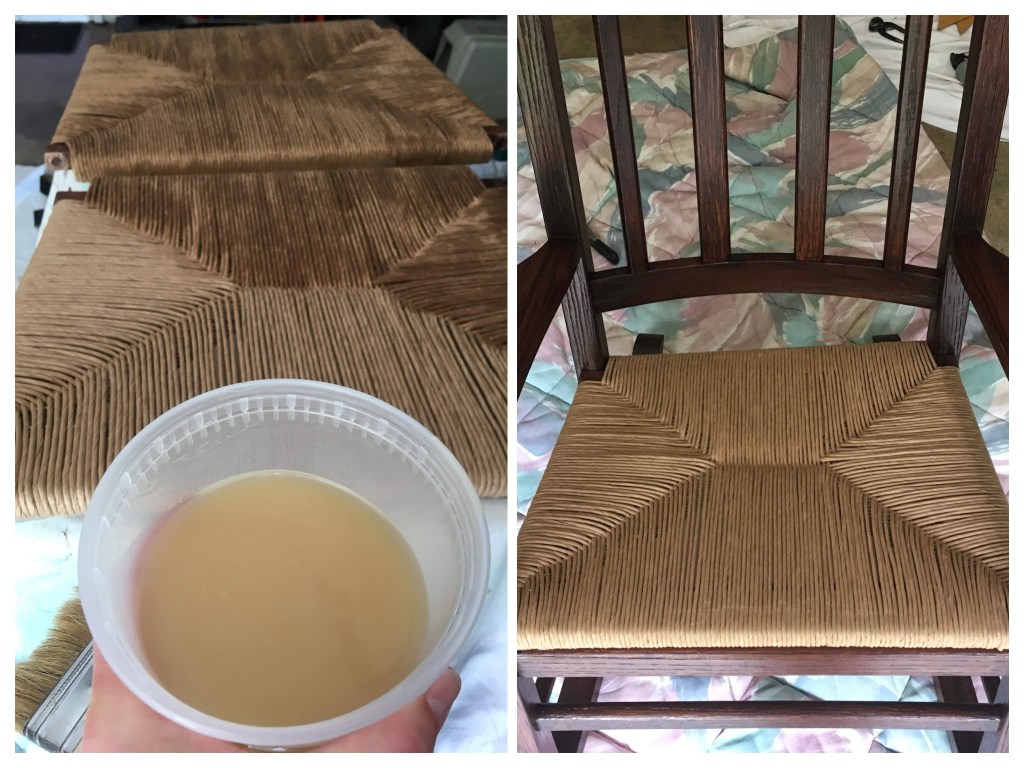
The seats turned out great. To finish them off ,and provide as much protection as possible, I applied 3 coats of shellac (50:50 solution in denatured alcohol) top and bottom.

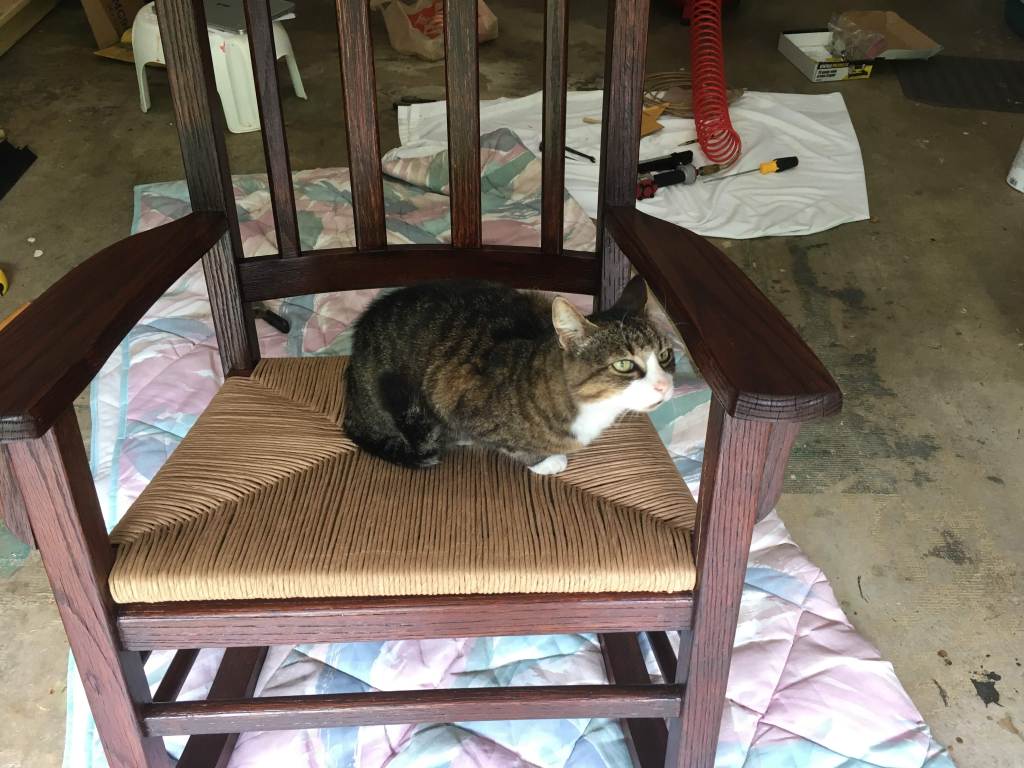
Finally, I applied slip resistant tape to the unfinished bottoms of the rockers, reattached the seats to the frame, and the job was done!

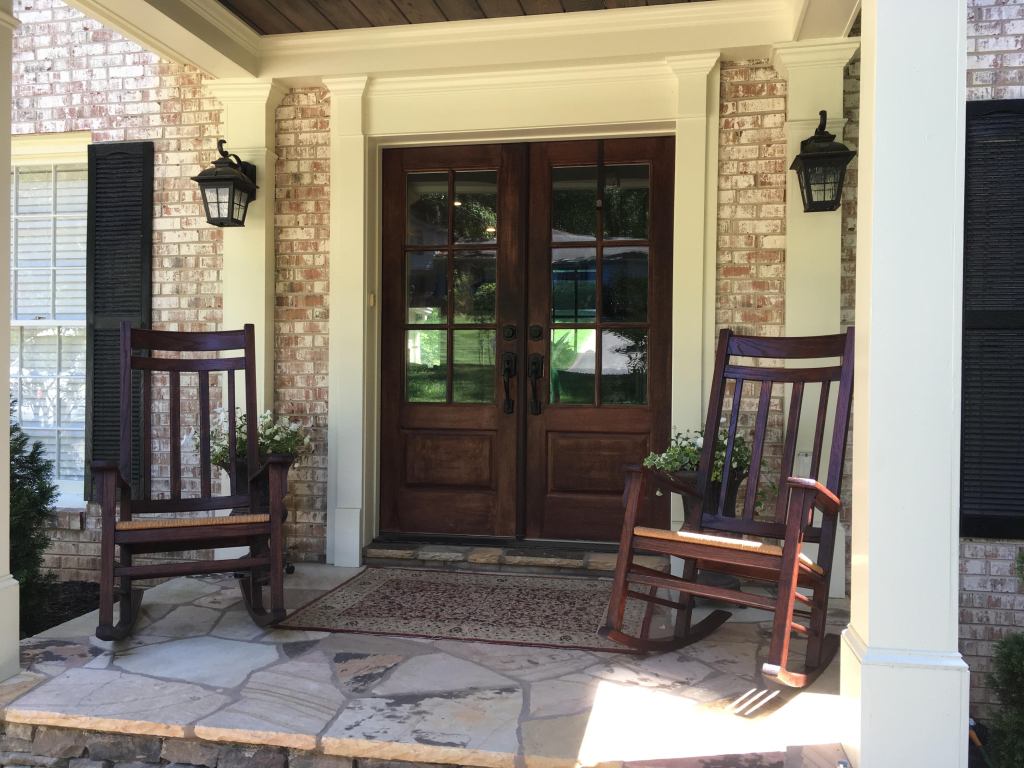


#23 Ocean Mist table
Transformation cost: $19.02
This piece reminded me of TT#8 (The Book Lover’s table), which I completed back in February 2018. They are made of similar materials and are assembled in a similar way. Oddly enough I had the exact same setback with both pieces!
I had no qualms about painting the piece and decided to have a little fun with it. The Gothic arch shaped indentations on the front were my inspiration.
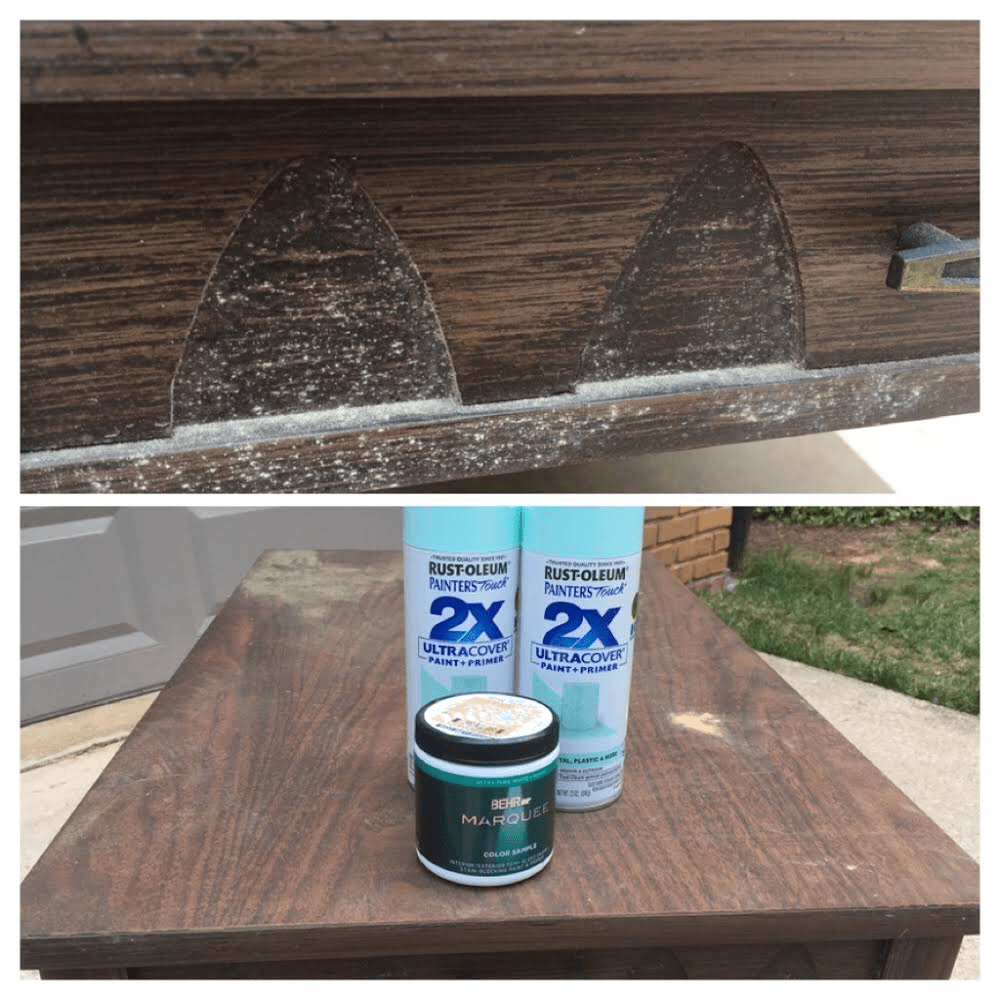
The supplies I needed for my arch inspired design were RustOleum Ultra Cover (Paint + Primer) spray paint in ocean mist gloss finish and a color-matched sample of Behr latex paint.
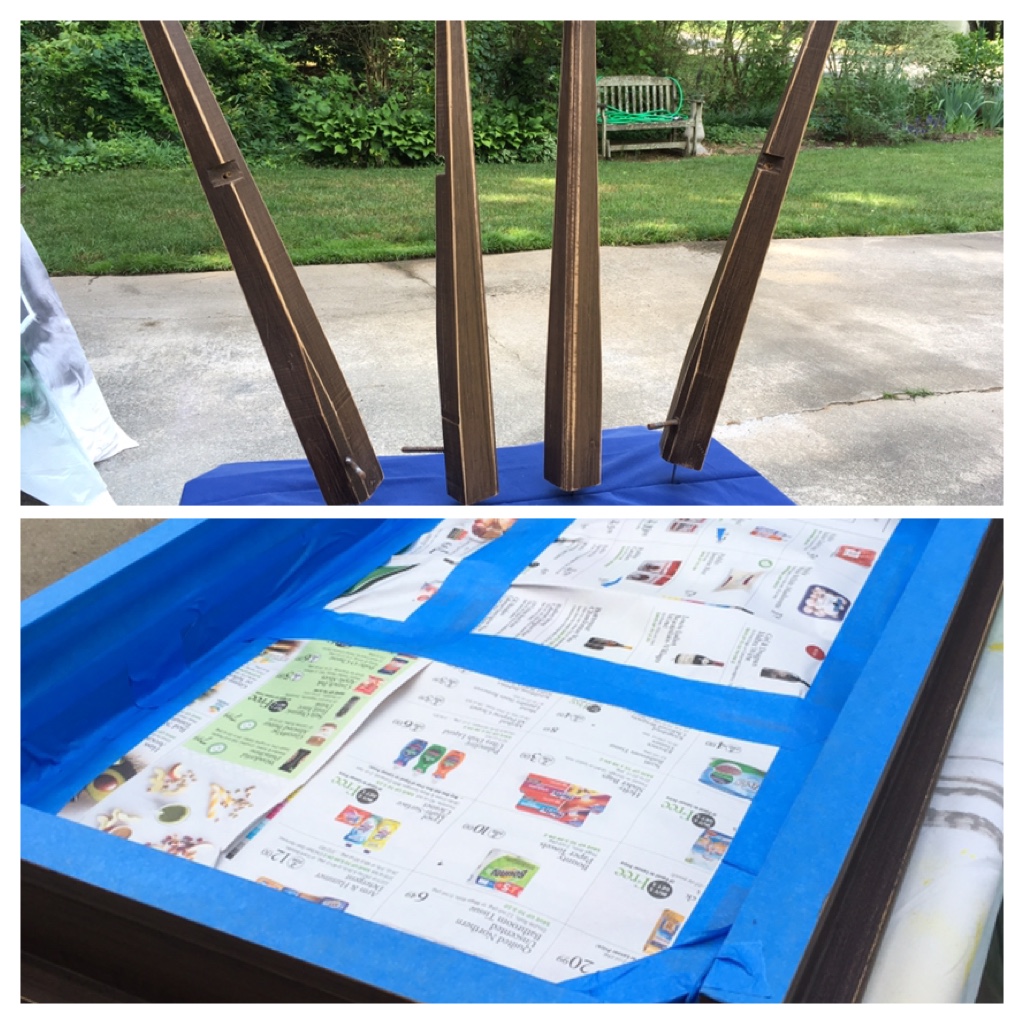
Next, the usual sequence: Disassemble. Clean. Sand. Mask. I put extra effort into the sanding because I would be applying a gloss finish that would highlight every flaw. A nail hammered into the top of each leg made it easier to clamp them for painting.

The paint was going on beautifully until it wasn’t! In certain areas the paint started to wrinkle, just as it had with the Book Lover’s table. Whereas with the Book Lover’s table I made lemonade out of lemons, this piece was destined for a different look. There was nothing for it but to let the paint dry thoroughly, sand away the wrinkles, and try again.

When all the components had been reworked to my satisfaction, I was ready to start on the design. I made a template from the indentations and used it to pencil my design on the table top. It was starting to look like a Paint by Numbers kit.
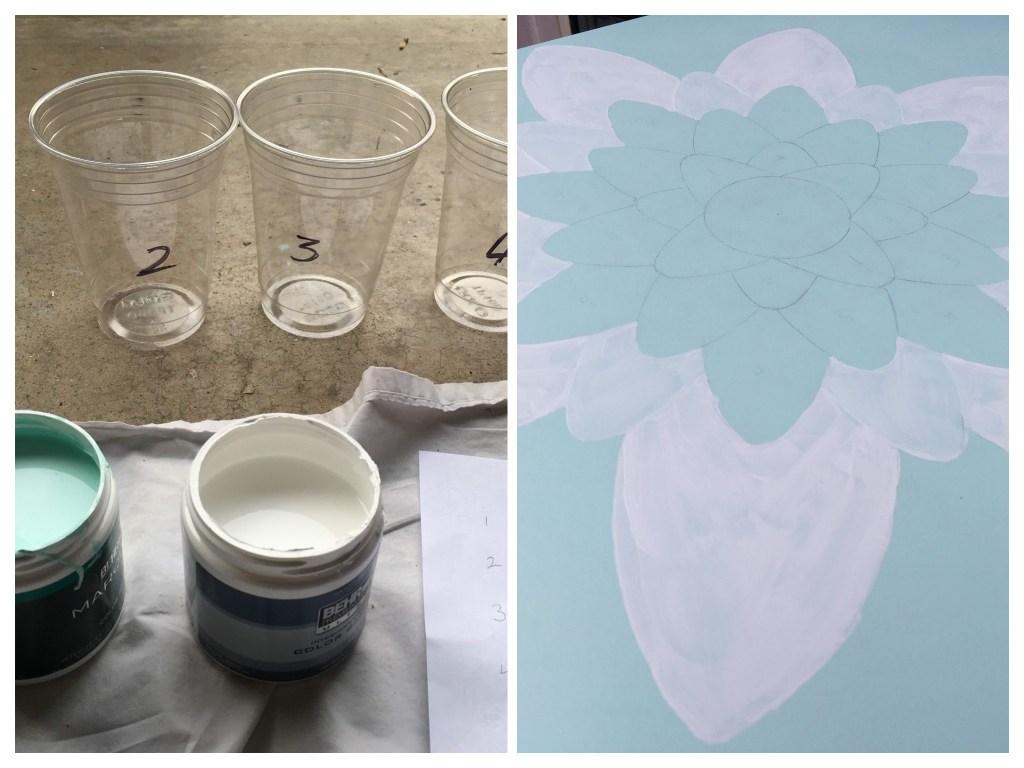
With the color-matched sample and some white paint I already had, I mixed six different shades of the Ocean Mist color and began hand painting.
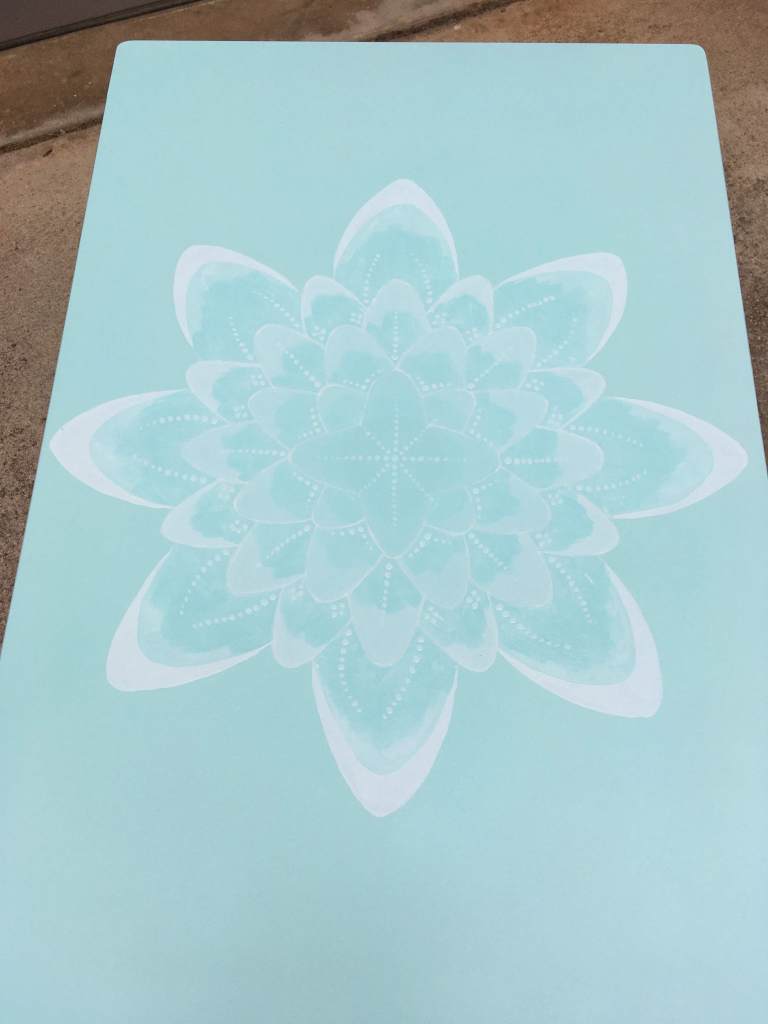
Some time later ……. I locked in the finished design by adding a few coats of gloss lacquer over the hand-painted areas.
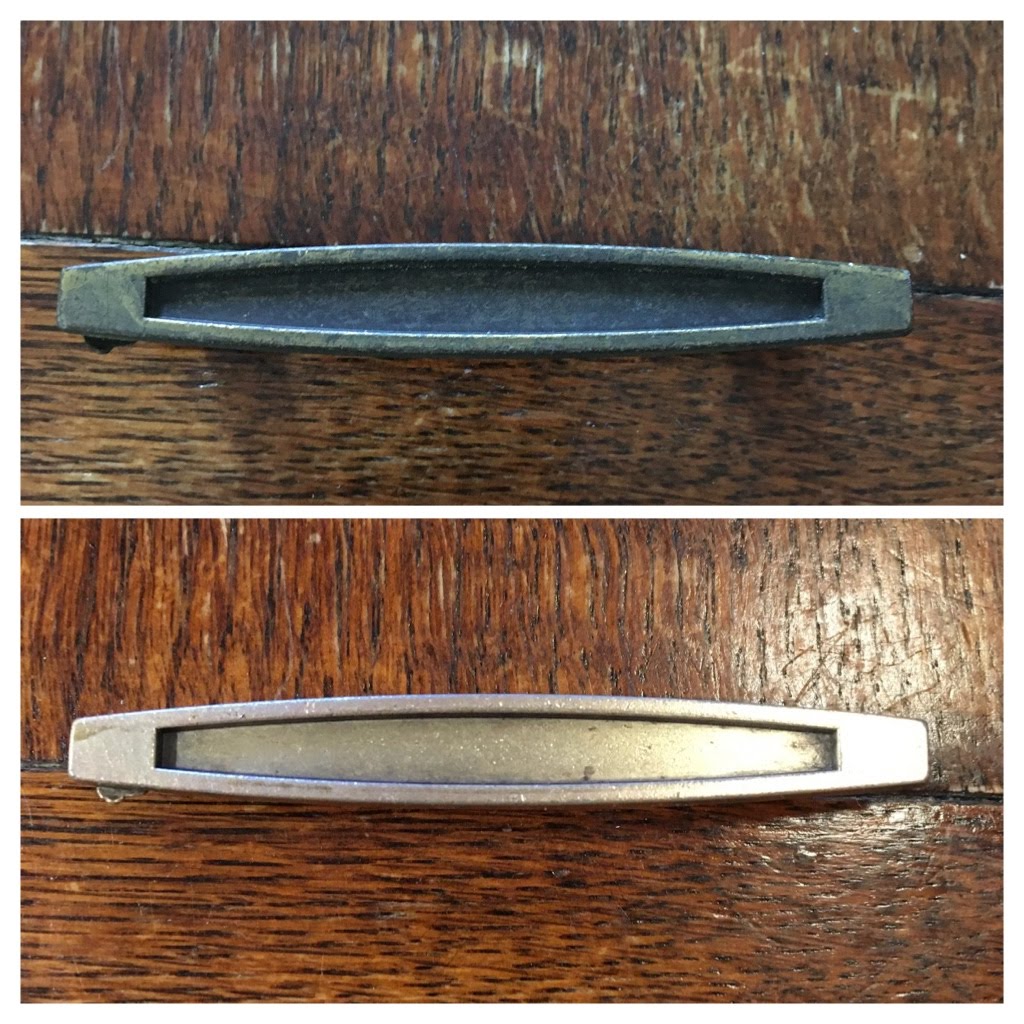
Finally, I cleaned the original hardware with some Bar Keeper’s Friend and put everything back together.


 Transforming Trash